
Different Types of Motorcycle Helmets Explained
When considering the purchase of a motorcycle helmet, it may seem like an easy task. Nevertheless, the availability of choices in the market can get out of hand. The list of helmet types is endless, and each type is designed to meet the rider's needs, the varying conditions of the road, and their comfort level.
Not all helmets, as a matter of fact, are designed equally. For some, they may look for the one offering reasonable protection, while others may select the one based on convenience or ventilation. The right type of motorcycle helmet should be chosen based on a wide range of factors, including the way you ride, the riding location, and your safety, comfort, or even flexibility.
Today, we will make you aware of the types of motorcycle helmets and how to decide which one to use!
Importance of Wearing The Right Fit Helmet
Choosing a motorcycle helmet should not be based solely on meeting legal requirements. Selecting certified helmets for road safety ensures they meet impact-protection standards and offer protection across different riding conditions. Understanding motorcycle helmet features and their importance can elevate your riding experience.
Safeguarding Against Fatal Head Injuries
It is effective in absorbing impact energy during crashes, reducing the risk of traumatic brain injuries and skull fractures. It also offers the best protection for areas at risk, such as the jaw or chin.
Protects Against Road Hazards
Flying debris, dust, insects, and sudden weather fluctuations can distract you while riding. A helmet helps reduce wind resistance and keeps you safer on the road.
Reducing Fatigue and Noise
Reducing constant wind noise reduces neck fatigue caused by air pressure, elevates comfort on extended rides, and helps in maintaining focus during response time.
Improves Confidence and Control
Offers a good fit, better visibility, and even weight distribution. This helps you ride confidently and make the right decisions at the right time.
Helmets are one of the most integral parts of the overall motorcycle riding gear, playing a critical part in offering protection and comfort.
Understanding the Different Types of Motorcycle Helmets
Motorcycle helmet types are categorized based on changing ride conditions, elevated comfort levels, and the need for protection. Knowing how different they are can help you select the right helmet based on your riding style and conditions.
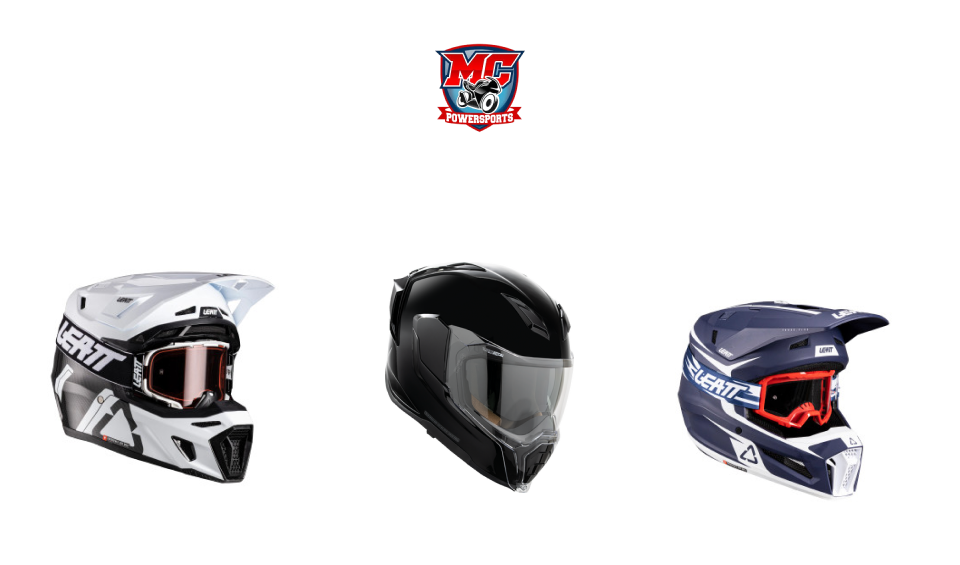
Full-Face Helmets
Full-face helmets offer full head coverage that includes the jaw and chin areas. They come featuring a fixed chin bar and built-in visor that offers adequate protection, ideal for highway rides, commuting, touring, and top-speed performance.
Why riders choose it
- Enhanced overall protection
- Strong coverage chin bar
- Reduction in wind noise levels
- Perfect for highway rides
Full-face helmets offer the topmost protection and are perfect for riders emphasizing safety, ride stability, and long-distance comfort across changing road conditions.
Dual-Sport Helmets
Dual-sport helmets offer full-face coverage and come in off-road designs. They feature a face shield and extended peak, making them perfect for riders who are looking to switch between paved roads and dirt trails on a regular basis.
Why riders choose it
- Ideal across mixed terrain
- Built-in face shield
- Extended sun peak
- Balanced ventilation system
Dual-sport helmets offer the utmost flexibility, supporting adventure riders who commute across trails and highways. It offers reliable protection without disrupting off-roading performance.
Half-Helmets
Half-helmets cover just the top part of your head, exposing your face and jaw. They are mainly worn by cruiser riders who need lightweight designs, maximum airflow, and a classic riding appearance. When assessing the factors to consider when buying a half motorcycle helmet, riders should check fit, material quality, strength, and safety certification.
Why riders choose it
- Lightweight design
- Maximized airflow exposure
- Less feeling of bulkiness
- Elegant cruise look
Since half-helmets are lightweight, they offer limited protection turning them well-suited for low-speed cruising instead of highway riding.
Open-Face Helmets
Open-face helmets cover the top, back, and sides of your head. However, they leave the face exposed. They offer a moderate level of protection and adequate airflow. They are perfect for comforting rides or urban commutes.
Why riders choose it
- Greater field of vision
- Adequate airflow circulation
- Lightweight and comfortable design
- Ease of commuting across the city
Open-face helmets offer the optimal balance of protection and comfort. It lacks chin coverage, making it riskier than full-face options during some fatal impacts.
Modular Helmets
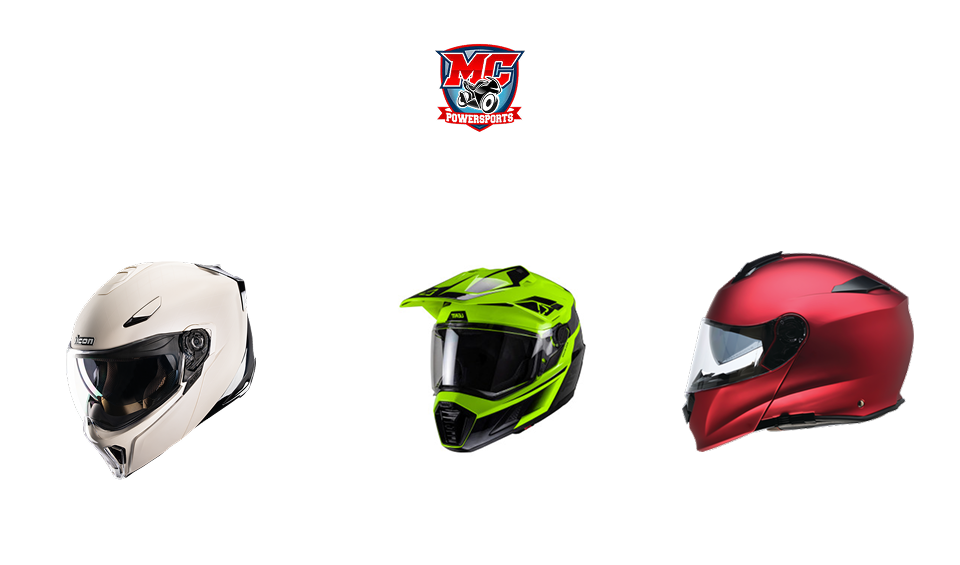
Modular helmets come in a flip-up chin bar feature that helps riders switch between full and open face configurations. They are top picks among daily commuters and touring riders who value convenience. The growing popularity of modular helmets is based on protection and convenience.
Why riders choose it
- Flip-up front part
- Compatibility with wearing glasses
- Ideal touring design
- Convenient during quick stops
The modular helmets offer a highly versatile design. They might be on the heavier side due to the hinge mechanism that is built into the chin section.
Offroad and Motocross Helmets
Off-road and motocross helmets are specifically engineered for trail riding and dirt biking. They feature extended chin bars, peaks, and improved ventilation that manages mud, dust, and demanding terrain.
Why riders choose it
- Optimal airflow system
- Extended chin protection
- Bigger eye port
- Lightweight build
These helmets offer the best performance across off-road and will need goggles during every ride. So, not perfect for highway rides.
Snow Helmets
Snow helmets are designed for cold-weather rides. It includes snowmobiles and winter motorcycle rides. They offer anti-fog systems, insulation and adequate face protection, streamlined to handle freezing temperatures and snowfall.
Why riders choose it
- Anti-fog visors
- In-built breath box
- Cold-weather insulation
- Designed for snow conditions
The snow helmets offer warmth and improved visibility on freezing terrain, making them important for riders who choose to ride in harsh winter conditions.
Final Thoughts
Selecting the right motorcycle helmet is a major decision that involves careful consideration. The right motorcycle gear will help you ride in comfort and safety. A certified, well-designed helmet is an investment that is well-worth every mile you cover.
If you’re looking for quality, reliability, and trusted brands all in one place, MC Powersports offers a wide range of motorcycle helmets designed for every type of rider. Explore the latest helmet collection and shop now to gear up with confidence before your next ride.
Frequently Asked Questions
How often should a motorcycle helmet be replaced?
The majority of manufacturers believe helmets should be replaced every 5 years or after any impact, regardless of whether there is visible damage.
How do I know if a helmet fits correctly?
A well-fitting helmet sits snugly in all places and does not slide around, even with the slightest head movement.
Can I use a motorcycle helmet for other activities?
Motorcycle helmets are expertly designed to withstand road impacts and should never replace helmets meant for climbing, cycling, or other sports.