How to Choose the Right Helmet Visor for Your Riding Needs
When riders shop for a helmet, most of the attention goes to safety ratings, fit, and comfort. But there’s one component that often doesn’t get the consideration it deserves, the helmet visor. Your visor is more than just a piece of transparent plastic. It directly affects visibility, comfort, eye protection, and even your confidence on the road.
Choosing the right helmet visor can dramatically improve your riding experience, whether you commute daily, enjoy weekend highway runs, or love long-distance touring. Let’s break down everything in our helmet visor guide that you need to know to make the right choice.
Importance of a Helmet Visor
A helmet visor plays an essential role in how safe and comfortable a ride feels on the road. It has a direct impact on eye protection, visibility, and overall riding condition, mainly across changing weather or lighting conditions. Besides protection, the right visor type can reduce fatigue and help riders stay focused for longer durations. A helmet visor can help:
- Protects eyes from dust and debris
- Shields against wind and rain
- Minimizes glare and harsh sunlight
- Improves visibility in traffic
- Enhances riding comfort overall
Carefully selected high-quality visor becomes an important extension of your motorcycle riding gear that completes your safety setup. Furthermore, it enhances comfort and performance on every ride.
How to Choose the Right Helmet Visor
Choosing the right helmet visor relies on your riding style, environment, and personal comfort choices. Knowing about the main visor features can help you make the best decision. So, here are the most effective ways to select the right helmet visor that meets your riding needs.
Ensure Proper Visor Fit
A helmet visor should align with the design and mounting system of motorcycle helmets that ensures stability, adequate sealing, and dependable performance at different riding speeds. So ensure to check for the following:
- Helmet model-specific visor fit
- Secure locking mechanism
- Tight seal against wind
- Easy installation and removal
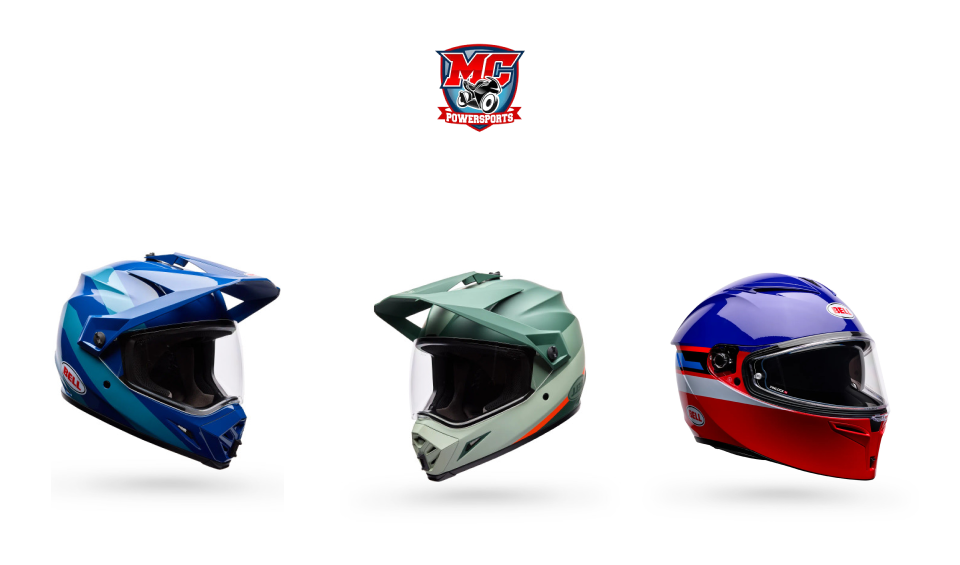
An adequately fitted visor enhances comfort, reduces noise, and ensures consistent protection that helps riders to get the best performance.
Choose the Right Visor Type
Different riding conditions demand specific visor types for managing light, glare, and visibility without the need for frequent replacements or compromising safety. The common options for visors include:
- Clear visor for night riding
- Smoked visor for daytime use
- Mirror visor for strong sunlight
- Photochromic visor for versatility
Choosing the right visor type ensures better visual comfort, enhanced adaptability, and safer riding across different lighting and weather conditions.
Check Safety Standards
Visors that are designed for certified helmets meet the defined needs for optical clarity and safety. This ensures better protection and distortion-free vision during daily rides. Ensure to verify the following aspects:
- Compliance with safety regulations
- Optical clarity without distortion
- Impact-resistant visor material
- UV protection certification
A certified visor can improve riders' safety, ensure legal compliance, and offer reliable performance in real-world riding conditions.
Consider Visor Weight on Riding Comfort
The weight of the visor is directly connected to the effects of helmet weight on riding. It influences neck strain, comfort, and balance during long-distance rides. It is important to focus on:
- Lightweight visor construction
- Balanced helmet weight distribution
- Reduced neck fatigue
- Comfort during extended use
A lightweight visor can enhance riding endurance and overall comfort, making it essential for riders to cover longer distances.
Match Visor Design With Helmet Padding
The visors should work effortlessly with the types of helmet padding for maintaining appropriate sealing, reducing noise, and supporting effective airflow. Ensure to check for compatibility in:
- Proper visor-to-padding seal
- Reduced air and water entry
- Improved noise insulation
- Consistent internal airflow
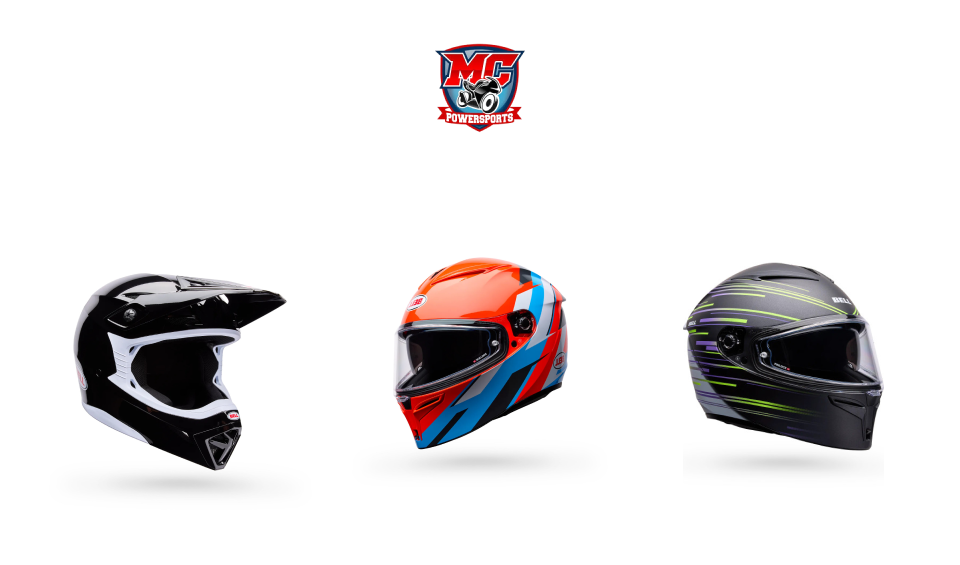
Whenever the visor design complements the helmet padding, riders will enjoy better comfort, fewer distractions, and a more controlled riding environment.
Prioritize Clear Vision and Anti-Fog Performance
It is important to maintain a clear vision across fluctuating weather conditions, making anti-fog performance a vital deciding factor. A fog-free helmet visor should be easy to clean and maintain, which highlights the importance of choosing the best features, such as:
- Anti-fog coated surface
- Pinlock-ready visor design
- Wide field of view
- Distortion-free visual clarity
A visor with strong anti-fog capability ensures better visibility to help riders stay alert and responsive across changing riding conditions.
Conclusion
Choosing the right helmet visor is not just about appearance—it directly impacts visibility, comfort, and safety every time you ride. At MC Powersports, riders get access to high-quality helmet visors and riding solutions designed to meet real-world riding demands. Backed by expertise and a commitment to safety, we help riders make informed choices that complement their helmets and overall riding gear.
If you’re looking to upgrade your helmet visor or need expert guidance to find the right fit for your riding style, shop now and ride with clarity, confidence, and control!
Frequently Asked Questions
How often should a helmet visor be replaced?
Replace helmet visors when scratches distort vision or coating degrades, typically every two years of use.
Do scratches on a visor affect safety?
Yes, scratches scatter light and increase glare, reducing visual accuracy, especially during night riding conditions.
Is it necessary to keep a spare visor?
A spare visor ensures uninterrupted riding if damage occurs, especially during tours or weather changes.