

A Guide to Heated Motorcycle Gear for Cold-Weather Rides
Regular riding gear can struggle to keep riders warm in cold weather. Wind chill at highway speeds often passes through ordinary jackets and gloves. Even a comfortable ride can turn chilly in minutes. Heated riding apparel takes a different approach. It generates warmth through small heating elements built into the fabric.
Understanding your heated gear options can help you choose the right setup for your ride. It helps prevent riders from buying gear that barely meets the need to ride through cold winters. Choosing heated motorcycle apparel is a smart investment decision. It usually connects to a battery pack, the bike's electrical system, or both. So how each piece powers up matters for staying warm in winter chills.
Where Heated Gear Options Really Differ
Some winter heated apparel uses built-in batteries, while others are connected directly to the motorcycle. Different types of heated apparel might use varied power sources and heat settings.
A couple of factors that distinguish each type of heated motorcycle gear include:
- Power source, which includes wired connections or battery packs
- Heat output and several adjustable settings
- Coverage area and the amount of skin it warms
- Bulk and the way it layers with the rest of the riding gear
Once you know which features to look for, choosing the right combination of motorcycle riding gear is as important as investing in heated apparel. The ride setup includes matching gear to your needs on the road instead of relying on one solution that covers everything.
Breaking Down the Main Types of Heated Riding Gear
Heated apparel for riders falls into a couple of categories that help riders choose the right option. Each one warms a specific part of a rider’s body. So, here are the main types of heated gear you can choose from:
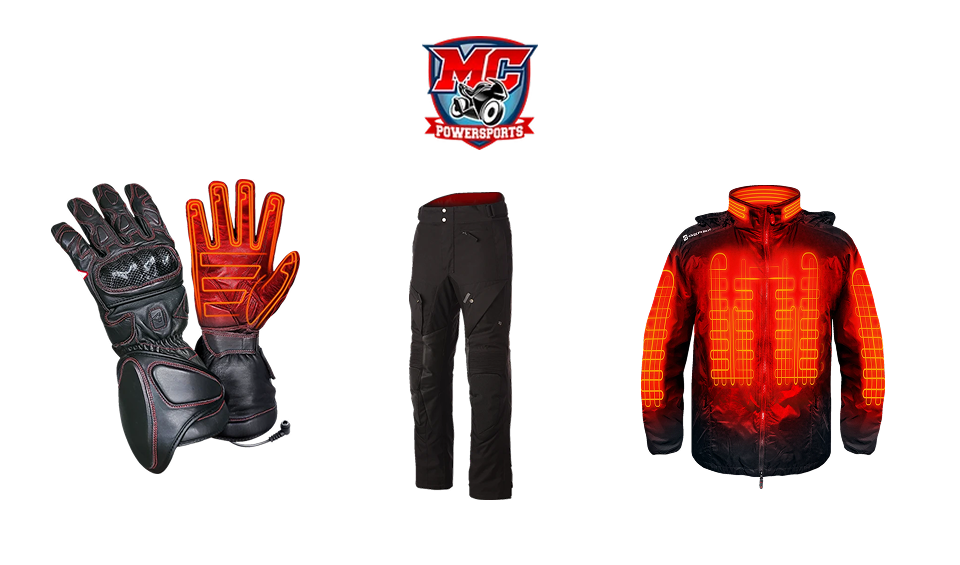
Heated Gloves
Hands and fingers feel winter chills faster, which is why heated gloves work best in this condition. This is often the first part of the body that turns numb during cold winter months. Most use thin heating elements across the back of the hand, powered by a battery or a wired system.
Here’s what to know about heated gloves:
- Comes with battery packs or wired bike connections
- Adjustable heat settings for riders
- Thin elements preserving the feel of the grip
- Shorter battery life, especially at higher settings
Warm hands will keep a rider’s grip steadier and stronger. This is more than any other heated gear. So, when choosing motorcycle gloves for different weather conditions, check heat output and battery life. Also, don’t forget to check the fit and material.
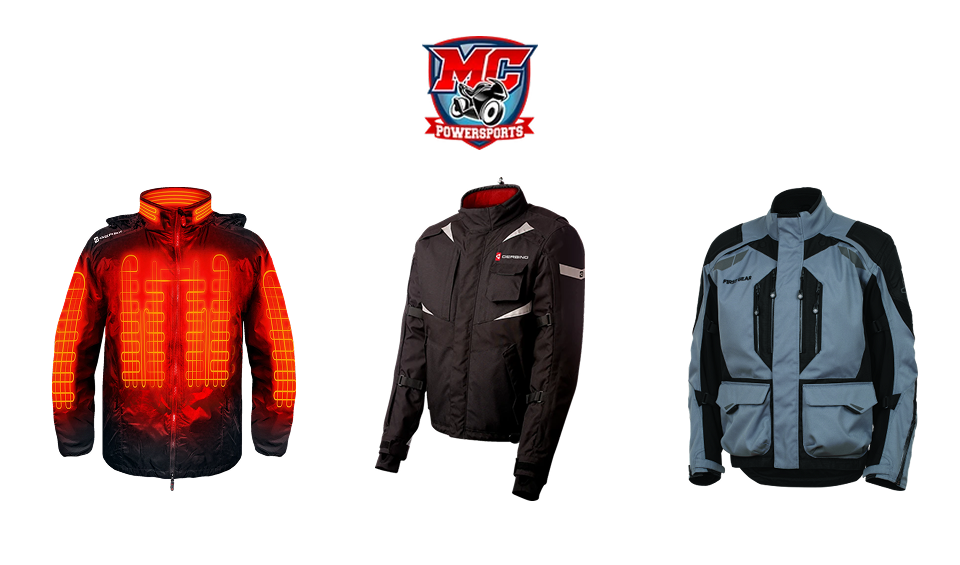
Heated Jackets and Vests
Another great addition to the apparel category is heated jackets and vests that cover the chest and back. This helps keep a rider warm. A warm core can help keep blood flowing to the rider’s hands and feet.
Here’s what to know about heated jackets and vests:
- Features heating panels across the chest and back
- Wired connections to the motorcycle’s battery
- Vest styles that layer under a jacket
- Jacket styles that work as another shell
The best approach is to choose riding gear that suits your cold-weather rides. A warm core affects how every other layer performs under a jacket or vest.
Heated Socks
Since feet lose heat quickly, heated socks keep them warm while riding. Riders can wear them right under their riding boots when preparing for a cold-weather ride.
Here’s what to know about heated socks:
- Battery packs that are tucked into the boot
- Heating elements focused on the toes
- Thin designs that fit any standard boots
- More frequent charging might be required than with larger heated gear
Most riders add heated socks only after trying everything else. So, add them to your list of winter gear essentials.
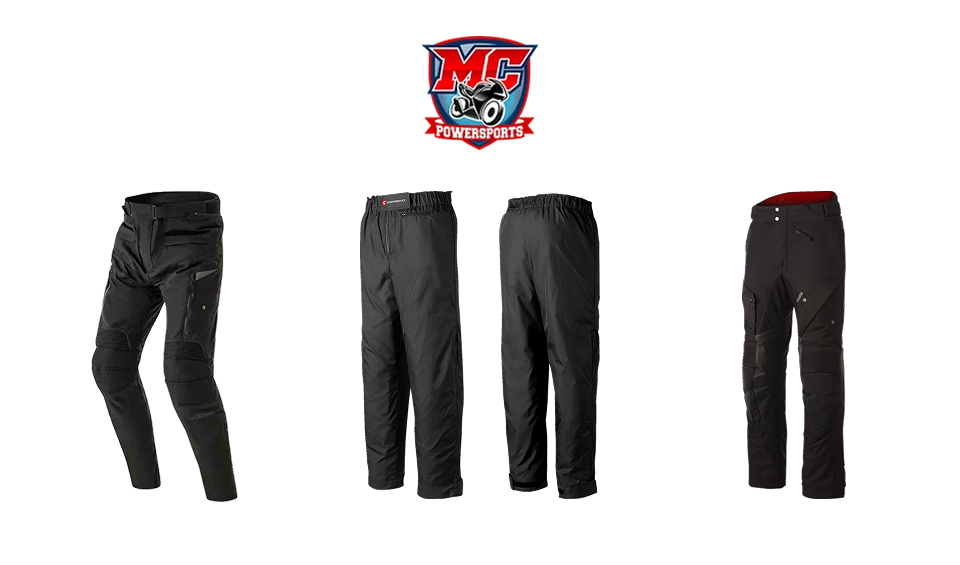
Heated Pants
Thighs and lower legs are exposed during a winter ride, so heated pants can keep these areas warm. These areas lose heat fast at highway speed. Usually, you add them under riding pants instead of replacing them.
Here’s what to know about heated pants:
- Features heating panels across hips and thighs
- Layers right under existing riding pants
- Comes either wired or connected to a battery
Heated pants work perfectly for riders who deal with extremely cold rides. These are especially needed on longer highway stretches, where wind chill reaches the legs as fast as it reaches the hands.
Other Heated Apparel
Even with heated gloves, jackets, and pants, small gaps remain that other heated apparel covers. Apparel like heated neck gaiters, hats, balaclavas, and insoles target specific cold spots.
Examples of other heated gear:
- Heated neck gaiters and balaclavas to protect the face
- Heated hats worn under a riding helmet
- Heated insoles that come with remote controls
- Heated leg chaps and rain covers
Riders can add them gradually as needed. The right gear can help prevent the discomfort you felt on your last cold ride.
Final Thoughts
Staying warm on a cold ride is not about piling on layers. It is about choosing the right heated pieces for the areas that need them most. At MC Powersports, our team can help you figure out which pieces matter most for the way you actually ride.
Shop now and gear up with heated apparel built to get you through the coldest part of the riding season.
Frequently Asked Questions
Can heated gear run off a battery pack instead of the bike?
Yes. Many heated gloves and smaller items run on rechargeable battery packs, making them easier to use on bikes without wiring.
Do I need every type of heated apparel to stay warm?
No. Most riders start with one or two pieces, usually gloves or a jacket liner, and add more only if certain areas still get cold.
How long does heated apparel typically last on a single charge?
Battery life varies by item and setting, but most battery-powered pieces run 2 to 6 hours on a lower setting.