

Bicycle Helmet Safety Features That Matter for Long-Distance Cyclists
Endurance, right preparation, and choosing premium protective gear are the three main pillars of successful long-distance cycling. Even if you are equipped with all cycling accessories, helmets remain one of the critical investments for every cyclist. Extended hours spent on the road expose you to challenging weather conditions, diverse terrain, traffic, and fatigue. All these contribute to the increasing risk of accidents.
Investing in a good bicycle helmet with the right safety features ensures better protection, comfort, and confidence during long-distance cycling.
Why Long-Distance Cyclists Need Specialized Helmets
Cyclists are often exposed to different situations during long-distance cycling. Understanding the challenges roads bring makes helmet selection extremely essential.
So, before assessing safety features, ensure that you know about the challenges cyclists often face:
- Extended hours in the saddle
- Changing road conditions
- Variable weather exposure
- Increased cyclist fatigue
- Higher comfort requirements
Cycling long distances is extremely different from standard recreational rides. Cyclists need gear that is mainly designed for long-term performance, including a premium helmet on their bicycle-riding gear checklist before long-distance adventure, which can enhance comfort and safety mile after mile.
Key Protective Features Endurance Cyclists Should Prioritize
Let us now explore the key safety features that every bicycle helmet should have.
MIPS Technology: Protection Against Rotational Forces
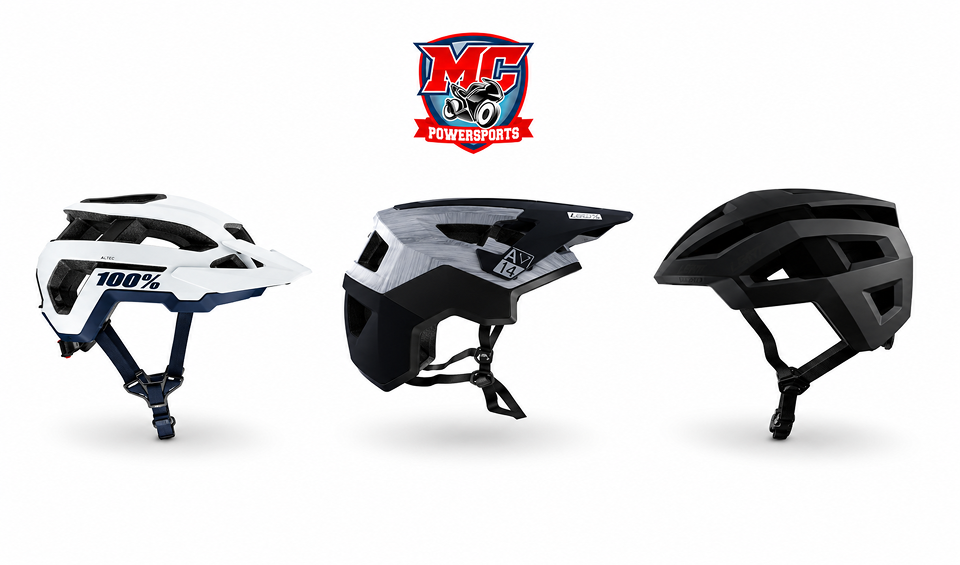
MIPS technology is an assurance to a cyclist’s protection, especially during rotational motion. This offers safety against angled impacts, adding a new layer of protection.
Key benefits include:
- Reduced rotational forces
- Improved impact management
- Added crash protection
These advanced impact technologies offer valuable protection to cyclists planning for successful adventures and extended road trips.
Extended Coverage for Enhanced Protection
It is common for long-distance cyclists to ride through challenging terrain and on varied road surfaces. Helmets should have features that support side coverage and an extended rear for overall head protection against impact.
Look for helmets that provide:
- Better coverage of the head
- Additional rear-head protection
- Deep shell designs for a secure fit
This additional coverage enhances a cyclist’s safety without causing any burden on the shoulder.
Advanced Ventilation Systems
Extended time spent cycling may lead to overheating during the summer or challenging climbs.
Helmets should feature advanced ventilation systems that offer optimal temperature regulation. They should offer consistent airflow across the head. So the important features should include:
- Multiple large intake vents
- Strategically placed exhaust vents
- Internal airflow channels
- Wind-tunnel-tested designs
Enhanced ventilation can reduce the buildup of sweat, improve comfort, and reduce distractions during extended rides.
Lightweight Construction Reduces Fatigue
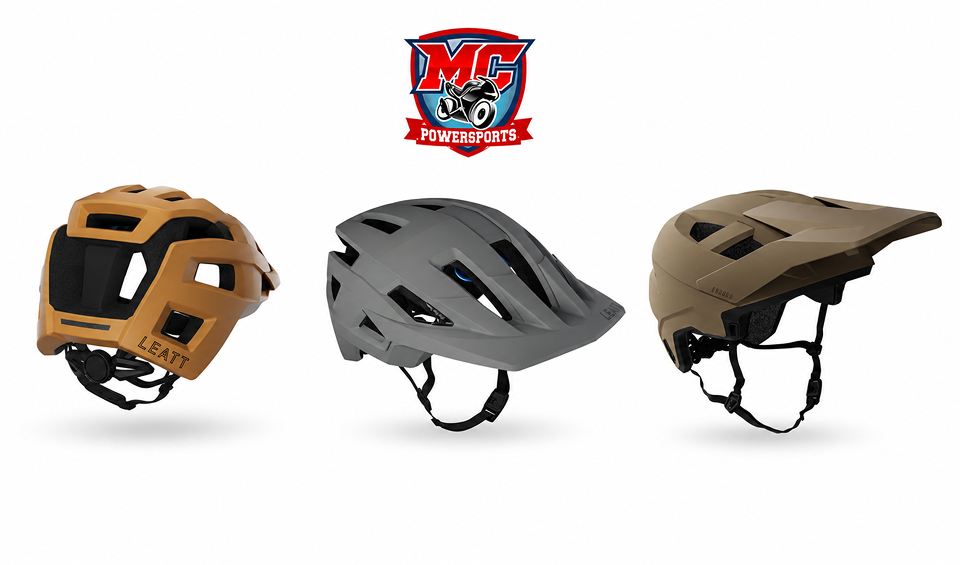
When choosing a helmet, ensure that you opt for a lightweight one. This improves comfort during long-distance cycling. Also, reduced weight will reduce neck and shoulder strain caused by cycling for extended hours.
Consider helmets with:
- Lightweight shell materials
- Balanced weight distribution
- Streamlined construction methods
Lightweight helmets can make your rides more efficient and enjoyable throughout the distances you cover.
High-Quality EPS Foam Technology
EPS foam is basically a primary energy-absorbing material common across most bicycle helmets. Premium foam insertion enhances management against impact without disrupting comfort.
The best quality indicators are:
- Multi-density foam layers
- Enhanced energy absorption
- Structural reinforcement design
Advanced EPS technology assists in the even distribution of impact forces that support a helmet’s performance in the long term.
Secure Retention and Fit Systems
Even if a helmet appears safe, it might not perform as intended without a proper fit.
Long-distance cyclists should always emphasize helmets that feature durable and adjustable retention systems. This is a key feature to note when adding a helmet to your must-have cycling starter gear if this is your first long-distance adventure.
The main features to look for are:
- Rear dial adjustment systems
- Adjustable side straps
- Vertical fit adjustment
- Secure chin strap mechanisms
A well-fitting helmet will stay stable throughout your ride and provide full protection in the event of a mishap.
Visibility and Reflective Features
Visibility plays an integral role in a cyclist’s safety, especially during early-morning or evening rides.
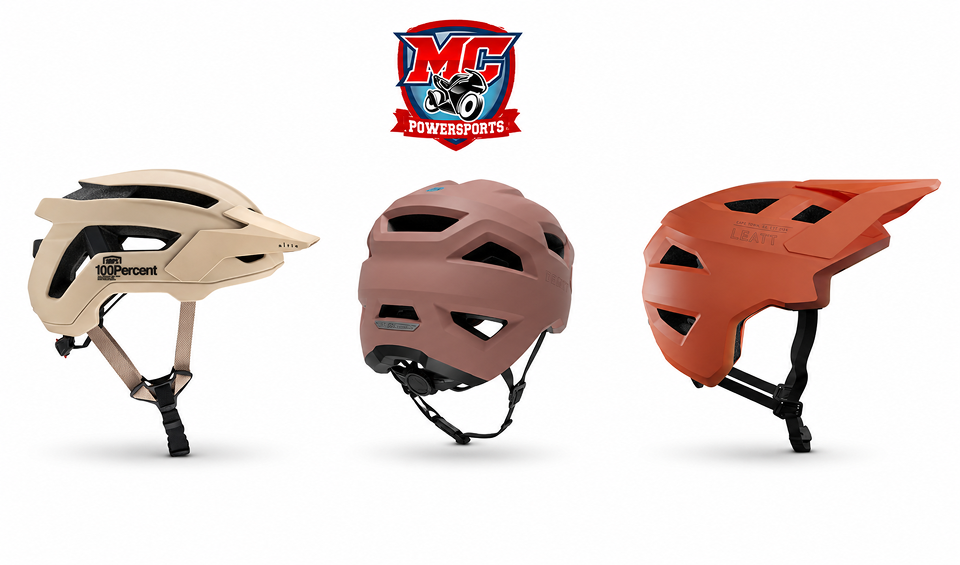
Helpful visibility elements:
- Reflective surface details
- Bright color schemes
- Rear light compatibility
Enhanced visibility of the road can help increase a rider’s awareness, which is only possible with proper maintenance. Proper helmet cleaning should be part of bicycle gear maintenance routine to help helmets remain effective for several years.
Safety Certifications to Look For
Certified helmets are a clear sign that a product is aligned with safety testing standards. Always verify certifications before buying a helmet.
Common certifications include:
- CPSC certification standard
- EN 1078 approval
- AS/NZS 2063 compliance
Helmets that carry certification give you peace of mind, knowing the product has undergone rigorous testing. These include those of impact protection and safety performance.
Conclusion
If you plan to go long-distance cycling soon, a helmet with safety features should be your first priority. Investing in a premium certified helmet is a major decision for your safety, confidence, and cycling experience.
When you are in search of top-of-the-line cycling helmets, MC Powersports is the ultimate destination, offering a wide range of trusted products from leading brands. Shop now to ride with confidence!
Frequently Asked Questions
How often should a long-distance cyclist replace a biking helmet?
Depending on their usage, storage conditions, and wear, manufacturers typically recommend replacement every 3-5 years.
Can weather events affect a bicycle helmet‘s performance?
Long exposure to sunlight, moisture, and temperature changes may weaken the materials and performance of the helmet over time.
Are pricier cycling helmets always more secure than cheaper ones?
A greater price tag is usually due to added comfort and features, but certified protection is key.