
Common Mistakes to Avoid When Buying Off-Road Tires
Off-road riders will always be ready with the right gear they might need as they venture onto unfamiliar routes. This requires control, accuracy, planning, and proper gear to manage uncertainties. The choice of tires is very important in this situation. They contribute to improved control, traction, and safety in unforeseen situations.
The selection of the best off-road tires is not only based on their durability or trail-minded design of treads. Nevertheless, some riders unknowingly commit errors that pose a significant risk to their off-road riding experience.
Key Factors That Influence Off-Road Tire Performance
The performance of off-road tires depends on factors such as tread design, durability, weather conditions, and riding preferences. Learning about these factors will guide buyers to make the right choice and avoid unnecessary spending or performance problems.
These are the key points to keep in mind:
- Selection of terrain-specific tread patterns.
- Proper tire size and fitting.
- Load rating and ply strength.
- Weather flexibility and grip characteristics.
- Prolonged stability and resistance to wear.
Making better choice of features improves performance, better handling, and increased safety. Smart choices, along with proper maintenance approaches, can make any motorcycle riding gear safer. Therefore, this sets the perfect tone for an ultimate experience during off-road adventures.
Off-Road Tires Buying Guide: Mistakes to Avoid
Preventing typical buying errors will guarantee an extended life span, enhanced security, and maximum functionality in every terrain.
Choosing Tires Based on Looks Instead of Terrain
This is most likely to be the greatest trap. Deep treads and big sidewalls are impressive, though they do not necessarily imply that they will fit your ride.
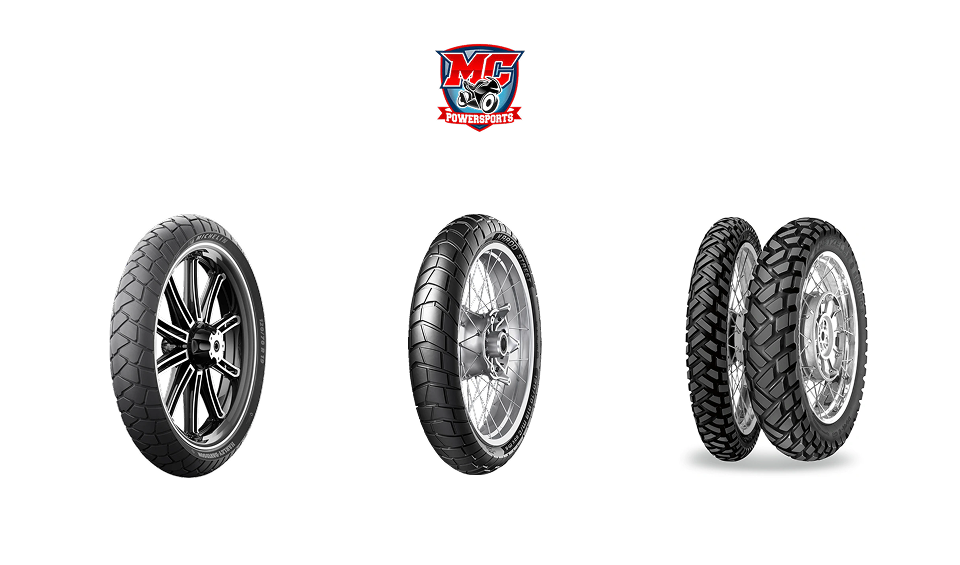
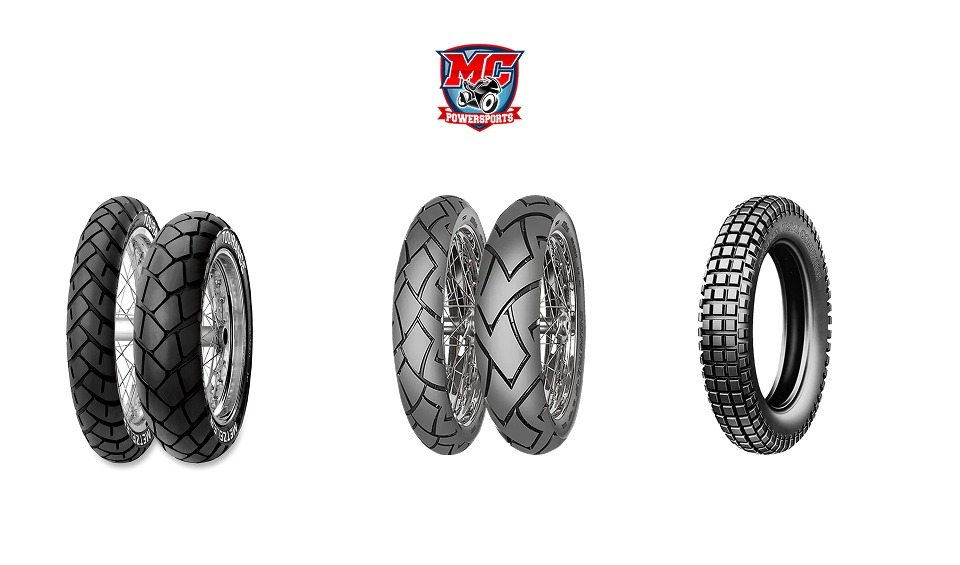
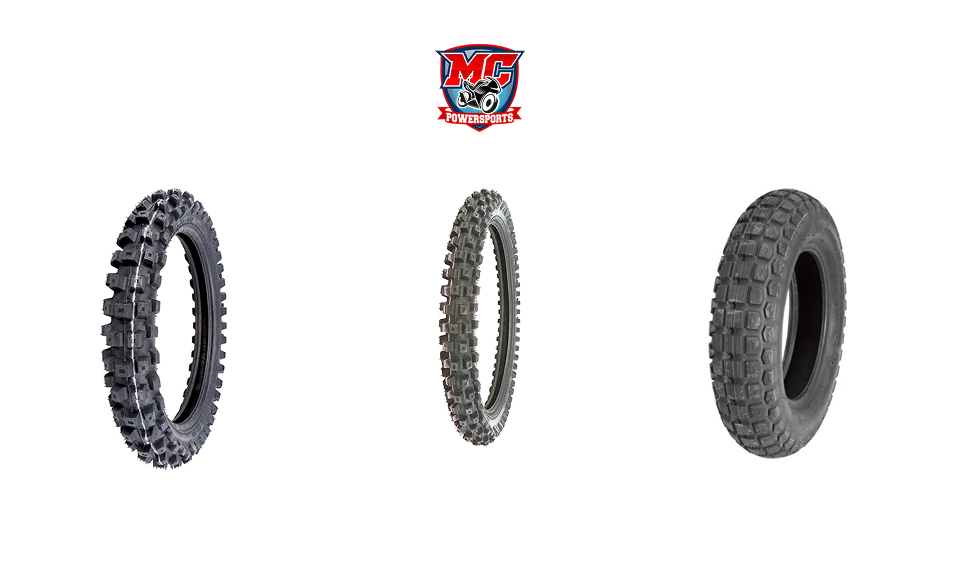
There are several types of off-road tires:
- All-Terrain (A/T): Mixed-use (road and light off-road).
- Mud-Terrain (M/T): Deep mud, rocks, extreme trails.
- Hybrid/Rugged Terrain: This falls between M/T with increased road comfort but reduced off-road capabilities compared to A/T.
The most frequent error is to purchase Mud-Terrain tires to drive around the city. Yes, they are aggressive, but they are noisier, damage faster, and reduce the efficiency of fuel consumption.
Options from premium brands can be much more practical than full M/T systems. So, investing in reliable products is as important as choosing quality riding gear for enhanced safety and performance.
Ignoring Load Rating and Vehicle Compatibility
Just because tires fit your wheel does not mean that they fit your ride.
Each tire comes with a load index and a speed rating, yet riders overlook this during off-road upgrades. People often make mistakes by neglecting to inspect suspension, brakes, or the drivetrain. Instead, they end up choosing heavier tires as they are left with only this option.
The underestimation of load capacity may result in:
- Faster tire wear
- Poor braking performance
- Blowout potential at the load level.
It is recommended to upgrade your tires only after first matching them to the manufacturer's specifications for your motorcycle.
Going Too Big Without Regearing or Adjustments
Big tires are nice and increase ground clearance. However, there is a trade-off.
The larger diameter tires can:
- Dislodge speedometer precision.
- Reduce acceleration.
- Strain transmission and gearing variations.
- Very important in influencing fuel economy.
Most buyers overlook the additional upgrades, such as gear ratio changes or recalibration. This is when your ride starts becoming slower post a tire upgrade.
A smarter solution will be incremental sizing or referring to an appropriate fitment guide prior to upsizing. This is a balanced approach that will support your choice of motorcycle accessories for safety that enhances your ride confidence.
Overlooking Road Noise and Daily Comfort
Off-road tires do not act like highway tires. The louder the ride, the more aggressive the tread.
Another common error is installing maximum traction tires in a motorcycle that is used 80% on asphalt. The result? Continuous humming on highways, vibration during high speeds, and less comfort when on lengthy drives.
Most comfortable with highways and trails are hybrid models that give you a more adaptable balance.
Not Considering Weather and Climate Conditions
Off-road situations are not limited to mud and stones. It involves rain, heat, and even snow, depending on the area.
Most consumers forget to look:
- Wet grip performance.
- Heat-resistance (notable in hot climates).
- Snow rating (where relevant).
- Behavior of rubber compounds at extreme temperatures.
A tire that works well in the desert may not be the best in monsoon-weedy areas. The weather conditions matter most, like the terrain.
Ignoring Tire Construction and Sidewall Strength
Sidewalls are exposed to severe stress through off-road driving- rocks, sharp edges, and low-pressure crawling. A defective sidewall may spoil a good tire selection. When you’re going to rock crawl or other uneven terrain driving, look for reinforced construction.
The higher-end products are identified as having more aggressive sidewall designs. It is one of the factors that make them the top choice among serious off-roaders.
Forgetting Air Pressure Flexibility
Air pressure is frequently critical to off-road performance as opposed to the tread pattern.
One of the most common mistakes is using highway pressure off-road. That decreases friction and provides more bouncing on rough surfaces.
There are, however, numerous buyers who forget:
- Before going back to the highways, you must reinflate.
- Not every tire is quite well-suited to low-pressure driving.
- Bead protection is relevant when you frequently air down.
In case you intend to have serious trail use, invest in a tire that can be driven safely with controlled air-down.
Final Thoughts
Rigid off-road behavior is the result of a well-informed decision, not an off-the-shelf update. MC Powersport will remain with their riders who prefer durability and control to needless complexity.
Explore trusted options, upgrade with confidence, and take every terrain seriously. Visit MC Powersports today and shop now for off-road solutions built for real adventure readiness!
Frequently Asked Questions
How often should off-road tires be replaced?
Always replace off-road tires every 40,000-60,000 kilometers based on use, terrain harshness, and maintenance procedures employed.
Can off-road tires be used for long highway trips?
Even off-road tires can work on highways, although with long-haul high-speed routes, life duration and efficiency will decrease dramatically.
Do off-road tires affect fuel consumption noticeably?
Tread designs with a higher tread weight raise the rolling resistance, potentially reducing fuel efficiency slightly relative to normal road tires.