How to Upgrade Your Motorcycle Riding Gear Over Time
Unpredictable weather, changing road surfaces, and shifting traffic patterns test riders in various ways each time they head out. A powerful motorcycle can handle the performance side. But your riding gear is what actually protects you the moment anything goes wrong. Every gear you choose determines your comfort, safety, and confidence on the road.
Most riders start with the basic gear they need. As they gain confidence, ride more often, go on longer rides, and try new routes, they eventually upgrade their equipment. A strategic upgrade route means every purchase can add real protection or value instead of just adding to the pile. Today, we will give you a walkthrough of our motorcycle riding gear upgrade guide to help you build a riding kit that keeps up with a rider’s lifestyle.
Build Your Motorcycle Riding Gear the Smart Way
Items that you add to your riding kit play an important role in your overall comfort and safety. Upgrading the right way keeps protection at the center of every decision.
Upgrade Your Helmet First
One of the most important upgrades you make as a rider is a motorcycle helmet. Your helmet will age even when it appears fine from the outside. Foam liner compresses, straps loosen, and the shell weakens after years of sun and impact exposure.
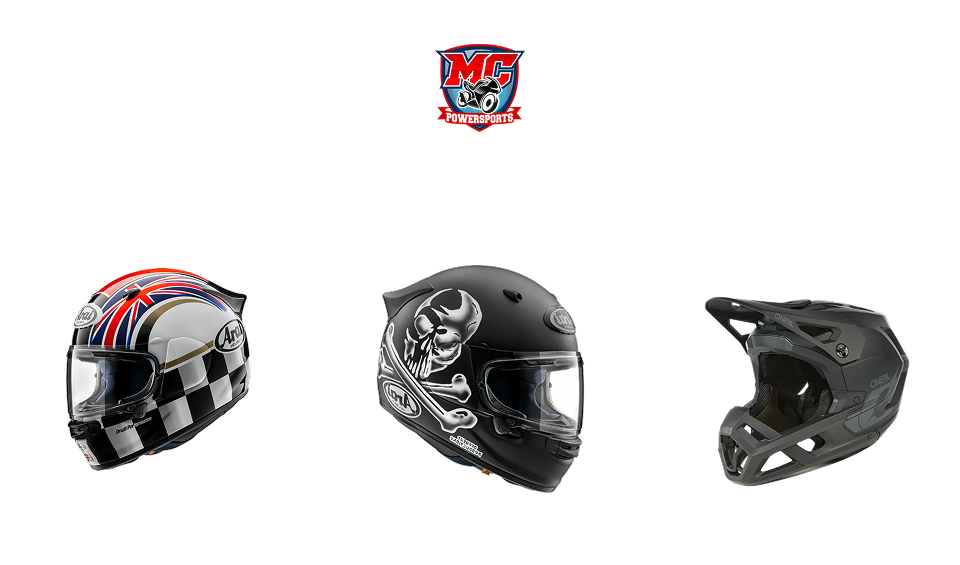
Signs to look out for:
- Helmet that’s five or more years old
- Liners worn thin or feel loose
- Any impact, even minor
- Ventilation is no longer effective
Pro Tip: Riders should emphasize upgrading their riding helmets after any unexpected impact or once they start showing signs of aging. Warning signs such as these can compromise the protection they’re designed to provide.
Add a Protective Riding Jacket Next
A motorcycle jacket safeguards you against impact, abrasion, and shifting weather conditions. A jacket that aligns with your needs as a new rider often falls short once you cover more miles or ride in tougher conditions.
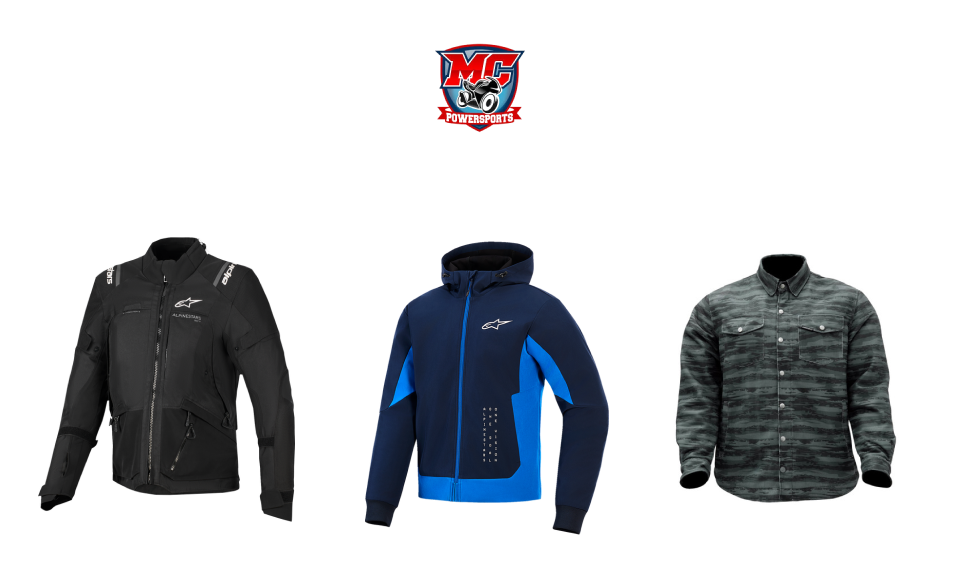
Here are the signs of an upgrade:
- Armor feels stiff or degraded
- Fabric shows fraying or thinning
- Ventilation struggles in heat
- Waterproofing no longer holds
Features worth considering during an upgrade:
- CE-approved impact armor
- Abrasion-resistant outer fabric
- Waterproof riding materials
- Adjustable ventilation panels
Pro Tip: Here, it’s important to understand the real value of CE rating when investing in riding gear. This helps you select a jacket or armor insert that offers real protection.
Improve Hand Protection with Better Riding Gloves
Across every ride, your hands remain exposed. This makes a solid pair of motorcycle riding gloves an essential piece of gear. Gloves tend to get damaged without early warning signs. Most riders never notice the drop in grip or protection till it matters. Upgrading improves your grip, adds protection, and reduces vibration, regardless of how conditions change.
Consider an upgrade once you notice:
- Palm material feels thin
- Grip slips in wet conditions
- Knuckle protection feels soft
- Hands fatigue faster than before
Pro Tip: Premium gloves can sharpen your control over the bike and reduce hand fatigue, mainly on longer rides.
Replace Regular Boots with Motorcycle Boots
Regular shoes can never match the protection built into motorcycle riding boots. They keep your ankles stabilized, enhance your grip, and safeguard your feet if a ride takes an unexpected turn.
Here’s when to make a switch:
- No ankle support during rides
- Soles slip on wet pavement
- No protection around the toe
- Feet stay exposed in the rain
Pro Tip: High-quality riding boots offer a perfect balance of comfort, protection, and durability. They consistently hold up whether you’re touring or commuting.
Upgrade to Riding Pants
Regular-wear jeans can’t offer the abrasion resistance and impact protection that dedicated motorcycle riding pants provide. They reduce your risk of injury while keeping you comfortable throughout the ride.
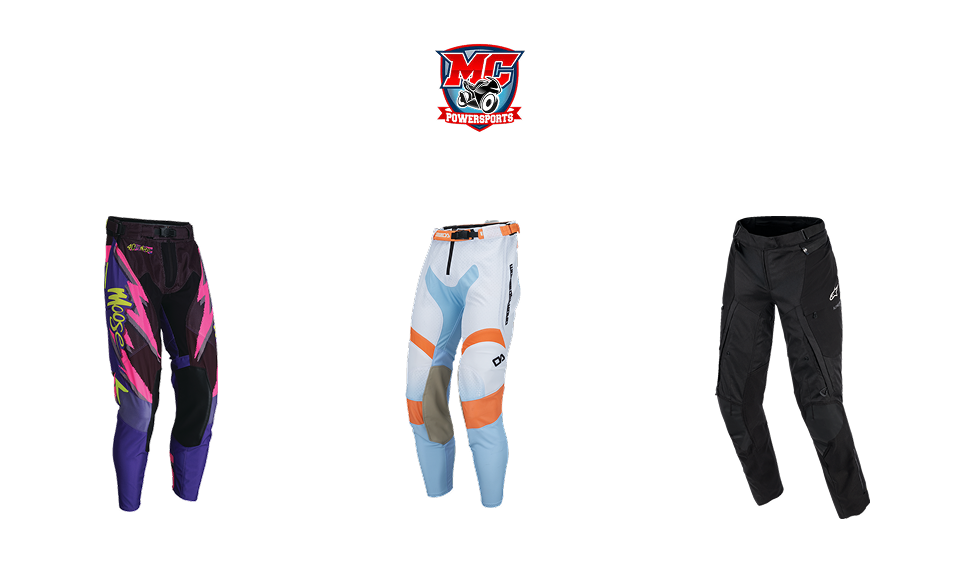
Here’s when to consider an upgrade:
- Knee armor shifts out of place
- Fabric feels thin at contact points
- Comfort drops on longer rides
- Hip protection feels outdated
Pro Tip: Pairing riding pants with an ergonomic jacket offers a complete protective system for safer rides.
Replace Standard Armor with Higher-Protection Inserts
Motorcycle body armor provides stronger impact protection even while staying lightweight and comfortable. Armor inserts often lose their density and impact absorption before they appear damaged. Upgrading the inserts in your existing gear can improve overall safety without the cost of replacing an entire garment.
Prioritize these upgrades:
- CE Level 2 armor
- Back impact protector
- Chest protection inserts
- Hip protection upgrades
Pro Tip: Ensure replacing aging armor on a regular schedule to keep your protection reliable mile after mile.
Expand Your Gear for Different Weather Conditions
Weather gear isn't something most riders replace often, but changing conditions and riding styles can make an upgrade worthwhile. Changing weather will impact your comfort and focus behind the handlebars. Creating a seasonal gear collection will help you ride safely, regardless of the climate you’re riding in.
Reassess your setup if you notice:
- Rain gear leaks after light use
- Layers feel bulky or restrictive
- No heated options for cold rides
- Wind cuts through the current gear
Pro Tip: It’s important to choose riding gear for every season to stay comfortable, protected, and focused throughout extended rides.
Upgrade Your Gear to Improve Visibility
For riders, it’s important to be easy to spot so other drivers have time to notice you. This reduces your risk of a collision. Visibility gear fades and dulls before riders think to replace it. This quietly reduces how seamlessly others spot you on the road.
Here’s what to reassess:
- Reflective panels look faded
- Helmet color blends into traffic
- No visibility gear for night rides
- Decals show peeling or wear
Pro Tip: Visibility gear works best when used with defensive riding habits and adequately maintained motorcycle lighting.
Finish with Comfort Upgrades
Long-distance rides put extra strain on a rider’s body and test your gear’s limits. Comfort-focused upgrades help you stay sharp over extended hours in the saddle.
Here’s how you should upgrade:
- Fatigue sets in earlier than usual
- Ears ring after extended riding
- Hydration becomes inconvenient mid-ride
- Socks bunch or lose support
Pro Tip: Some small comfort upgrades often make a huge difference in endurance during multi-hour rides.
Gear Up for Every Mile Ahead
The route that every rider chooses is different, and so is their gear collection. At MC Powersports, we believe that your equipment should be upgraded beyond your confidence, the adventures you take next, and your mileage. A strategic upgrade plan can keep you safeguarded without pushing you into rushed purchases or unnecessary spending.
So, creating a comprehensive riding kit is time-consuming, and that’s how it should work. We encourage every rider to treat their upgrades as an investment in safety, comfort, and long-term value rather than a one-time fix.
Ready to upgrade your gear? Shop now from our full collection today to get upgrades for your upcoming ride!
Frequently Asked Questions
How often should I replace my motorcycle helmet?
Most riders should replace their helmet every five years or immediately after any impact, even without visible damage.
Can I upgrade my riding gear gradually instead of all at once?
Yes, gradual upgrades let you prioritize safety essentials first while spreading costs over time as your riding needs grow.
What should I look for before buying new riding gear?
Consider proper fit, safety certifications, the weather conditions you typically ride in, and how the gear suits your riding style.