

Motorcycle Helmet Ventilation and Its Role in Riding Comfort
Extended rides in the heat can turn any comfortable helmet into a hot, stuffy distraction in minutes. Sweat builds up, the visor fogs, and focus starts to slip long before ride fatigue sets in. Ventilation is one of the commonly overlooked helmet features. Yet it can directly affect how alert and comfortable a rider stays from the first mile to the last.
Knowing how airflow moves through a helmet and what shapes its behavior is key. This explains why some models feel cooler and more breathable, while others can turn into ovens on any summer ride. Modern motorcycle helmets depend on a careful balance of intake, exhaust, and internal channeling to keep riders comfortable, no matter how long the ride lasts.
What Is Motorcycle Helmet Ventilation and How Does It Work?
Motorcycle helmet ventilation is the vent system and internal channels that move air through the inside shell. It helps to manage heat and moisture by combining intake points that draw air in with exhaust points that let warm air escape. This creates a steady flow across the head.
This is how it actually works:
- Intake vents positioned near the chin and crown
- Exhaust vents placed toward the back of the shell
- Internal EPS channels connecting airflow points
- Adjustable sliders for controlling airflow by condition
Together, the components work as a system rather than isolated parts. This airflow is just a single piece of what makes a complete set of motorcycle riding gear truly comfortable to wear for extended hours.
The Role of Adequate Airflow in Shaping Comfort on Every Ride
Ventilation is the key factor that covers almost every part of the riding experience. It covers everything from how alert a rider feels to how long they can stay on the road comfortably.
Let’s take a quick look at the core areas where airflow makes the major difference:
| Focus Area | Vents Mainly Involved | Rider Benefit |
|---|---|---|
| Temperature Regulation During Long Rides | Crown and exhaust vents | Fewer heat-related rest stops |
| Sweat and Moisture Management | Intake vents and liner | Drier fit over long rides |
| Mental Focus and Reaction Time | Full vent system | Sharper reaction time in traffic |
| Visor Clarity and Airflow | Chin bar vents | Less fogging in humid weather |
| Comfort Across Different Riding Conditions | Adjustable sliders | Consistent comfort trip to trip |
Temperature Regulation During Long Rides
Riders spend a lot of time riding on motorcycles. This increases body heat, especially in traffic or warmer areas. Adequate helmet ventilation can prevent this by allowing proper, consistent airflow across the rider’s scalp. This makes extended rides feel comfortable, even before you reach your destination.
How Airflow Helps Manage Rising Heat:
- Intake vents that take in cooler air from outside
- Exhaust vents that release trapped heat consistently
- Internal channels spread airflow across the rider’s scalp
- Adjustable vents that enable better control in shifting temperatures
Maintaining a steady temperature throughout the ride can reduce physical fatigue that builds when heat has nowhere to escape. Also, pairing solid airflow with the rest of your gear can reduce the risk of riding with improper gear altogether.
Sweat and Moisture Management
Sweat trapped inside the helmet can push the rider to exhaustion and discomfort. It can cause the liner to lose its proper fit and develop an odor. By consistently providing airflow, it prevents moisture from staying against the skin during longer or more strenuous rides.
What Helps Keep Moisture Under Control:
- Airflow prevents sweat from collecting on skin
- Linings that wick moisture and ventilation
- Buildup affecting padding of helmet
- Aiming vents at high sweat areas
A drier interior shell helps keep the helmet in place the way it was meant to be ridden, ride after ride.
Comfort Across Different Riding Conditions
Riding conditions often shift throughout the trip. Conditions can shift between city traffic, open stretches of highway, and changing weather. Adjustable airflow lets riders respond to those ride changes instead of settling for a single fixed airflow level.
Where Adjustable Airflow Makes the Biggest Difference:
- Stop-and-go city traffic with limited airflow
- High-speed highways that need exhaust support
- Cooler mornings that need partially closed vents
- Extended tours that cross multiple weather patterns
Adjusting airflow on the ride keeps a rider comfortable, no matter how conditions change. This is why full-face helmets for touring riders feature adjustable vent systems with more advanced features.
Mental Focus and Reaction Time
Overheating can make riders lose focus and slow the split-second decisions riding depends on, while also causing discomfort. Adequate ventilation can keep a rider’s head cooler and support steady focus, which matters when shifting traffic or changing road conditions.
How Cooler Airflow Supports Sharper Focus:
- No more heat stress on neck and head
- Reduced distractions due to discomfort while riding
- Better focus during extended stretches
- Quicker recovery during short rest stops
Staying cooler isn't just about comfort. It directly affects how quickly a rider can react.
Visor Clarity and Airflow
Moist, warm air inside a motorcycle helmet often fogs the visor at the worst moments. Ventilation systems can help manage that moisture before it reaches the visor. This keeps the entire vision clear across diverse road conditions.
How Ventilation Supports a Clearer Visor:
- Airflow can reduce warm air from forming near the visor
- Chin vents that direct air away from the eyes
- Balanced intake and exhaust that reduce condensation
- Clearer vision during stops or slow traffic
A clear visor relies on more than the shield. Adequate airflow plays a huge, consistent role in shaping a ride.
Final Thoughts
A rider’s comfort is not determined only by the kilometres they rode. Being vigilant, composed, and in greater control on every ride. Most people may not notice the difference in design details, but smaller elements such as airflow can make a big difference in how a ride feels once the engine starts.
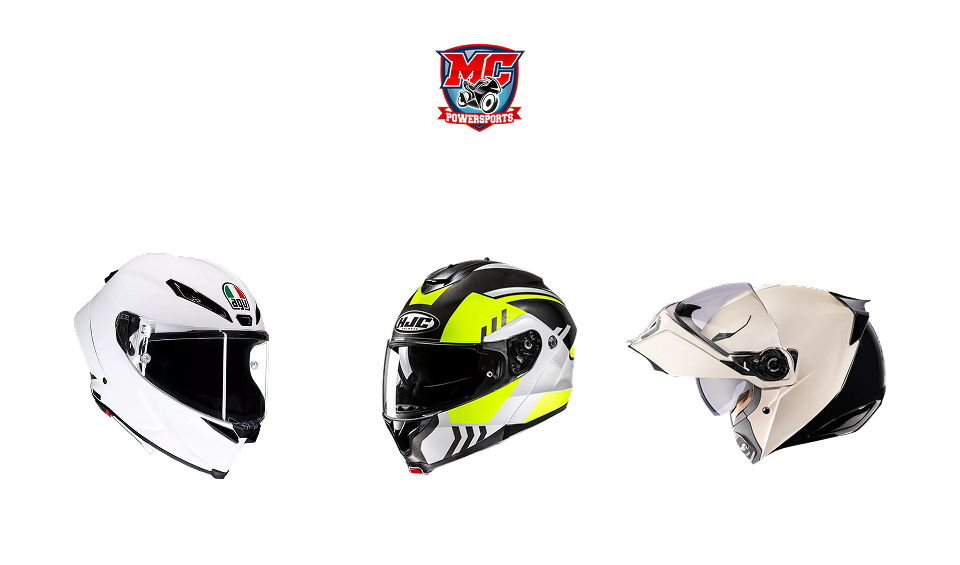
At MC Powersports, you can find a complete line of helmets with ventilation suited to real riding conditions. Our team can also help you match a helmet’s airflow design to how you really ride. Shop now to find a helmet that keeps you cool throughout your ride.
Frequently Asked Questions
Does more ventilation mean a helmet is less protective?
Not necessarily. Vents are engineered into the shell and liner without compromising the helmet's certified impact protection.
Should ventilation be used differently in cold weather?
Yes. Most riders partially close vents in colder conditions to limit airflow while still allowing enough circulation to prevent fogging.
How often should helmet vents be cleaned or checked?
Checking vents every few rides for dust or debris helps keep airflow consistent, especially after dusty or off-road conditions.