Motorcycle Jacket Size Guide: How to Get the Perfect Fit
Motorcycle jacket sizing is not as easy as picking the number you’d wear for a T-shirt or a hoodie. Almost every brand has different jacket sizing. That size determines whether it fits perfectly, runs tight, or runs loose. Getting the perfect fit depends on accurate body measurements. Several other factors also affect how well a jacket fits.
A snug-fit jacket can help safeguard a rider, allow flexible movement, and last longer than one you bought based on false assumptions. Armor that remains aligned with the joints is meant to protect. Sleeves can cover the wrists in a riding position, and nothing would restrict movement while holding the handlebars. So, it’s important to invest time in getting the right-sized motorcycle riding jacket. This can make every ride more comfortable while still staying protective and effective.
How Jacket Fit Impacts Protection and Performance
A jacket's fit can determine how well it performs in a crash or road mishap. Armor should remain in place, the shell has to move with the body, and nothing should overburden you during your normal riding position.
There are a couple of distinctive factors determining whether or not a jacket can really perform the way it’s meant to. Factors that are involved are:
- Armor that remains aligned with shoulders, elbows, and back
- Freedom to move while gripping onto the handlebars
- Even and full coverage across arms as well as torso
- No excessive fabric that can catch wind or snag
Getting these details right can make choosing a jacket less frustrating. This helps the rest of your gear to work in perfect sync while riding. Jackets should be an integral part of your overall motorcycle riding gear. Protection works only when everything fits the way it should.
How to Land on the Right Motorcycle Jacket Size
Finding the right jacket fit comes down to checking a few specific areas, not just relying on the online size chart.
Let’s take a quick look at things you should check and why each of the areas matters the most:
| Fit Area | What to Check | Why It Matters |
|---|---|---|
| Chest and Torso | Measurement over a base layer | Sets the foundation for the whole fit |
| Sleeve Length | Coverage in a riding position | Keeps wrists covered while reaching forward |
| Shoulder and Armor | Alignment with shoulder and elbow | Keeps armor over the areas it protects |
| Mobility | Movement in a riding stance | Confirms freedom to reach and turn |
| Sizing Consistency | Brand charts vs body measurements | Avoids mismatched sizes between brands |
Measuring Your Chest and Torso Correctly
Chest measurement is the foundation most size charts are built around, yet it is also the number riders get wrong most often. Measuring over a base layer gives a more accurate picture of how a jacket will fit while riding.
How to Take an Accurate Chest Measurement
- Wrapping the tape under the arms and shoulder blades
- Keeping the tape level all the way around
- Measuring over a thin shirt, not bare skin
- Taking the reading while breathing normally, not flexed
Taking correct measurements this way gives you a better idea of how the jacket will fit when you're dressed and ready to ride. It's the most useful step when choosing a motorcycle riding jacket that fits properly.
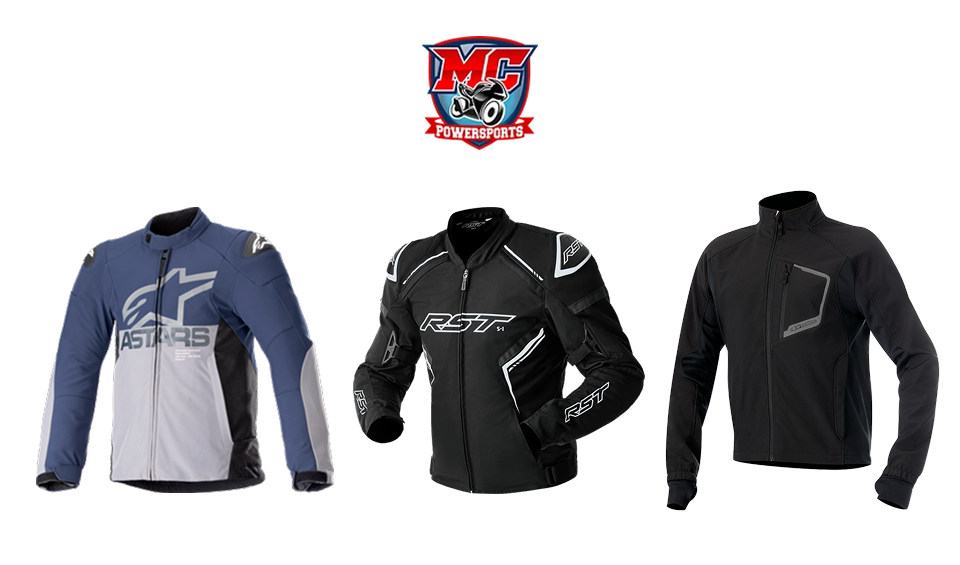
Getting Sleeve Length Right for a Riding Position
Sleeve length looks fine standing straight but often falls short the moment your arms reach forward. A proper sleeve accounts for that forward lean, not how it hangs standing upright.
Checking Sleeve Length the Right Way
- Measuring with arms bent, not fully extended
- Checking coverage while gripping an imaginary handlebar
- Leaving room for a base layer underneath
- Confirming cuffs close snugly over gloves
Sleeves that account for a riding position keep wrists and forearms covered when a gap matters most.
Checking Shoulder and Armor Alignment
The shoulder seams and armor pockets must stay in one position. If a jacket is even slightly too big or too small, it pulls the armor away from the area where it’s needed.
Signs Armor Is Sitting Where It Should
- The point on the shoulder must match the seam
- Joint cushioning directly above the elbow
- If the arms move naturally, they won't slide
- The back protector does not shift sideways as it is fixed
If the alignment is not correct, it doesn’t matter how “good” something is. It won’t work. A specific form of armor is only effective from its intended position.
Testing Mobility in a Riding Stance
Try to judge a jacket while it is sitting on the bike and not in front of the mirror. Extending and bending your elbows demonstrates what clothing may conceal when you are standing still.
Movements Worth Testing Before You Buy
- Leaning forward to assume a riding posture
- Rotating the neck while turning the shoulders
- Lifting both arms to examine underarm space
- Evaluation of hip and waist space in seated position
If a jacket feels comfortable during these movements in the store, it's more likely to stay this way throughout your extended rides. This is especially important when choosing jackets for long-distance touring riders who might spend the whole day riding.
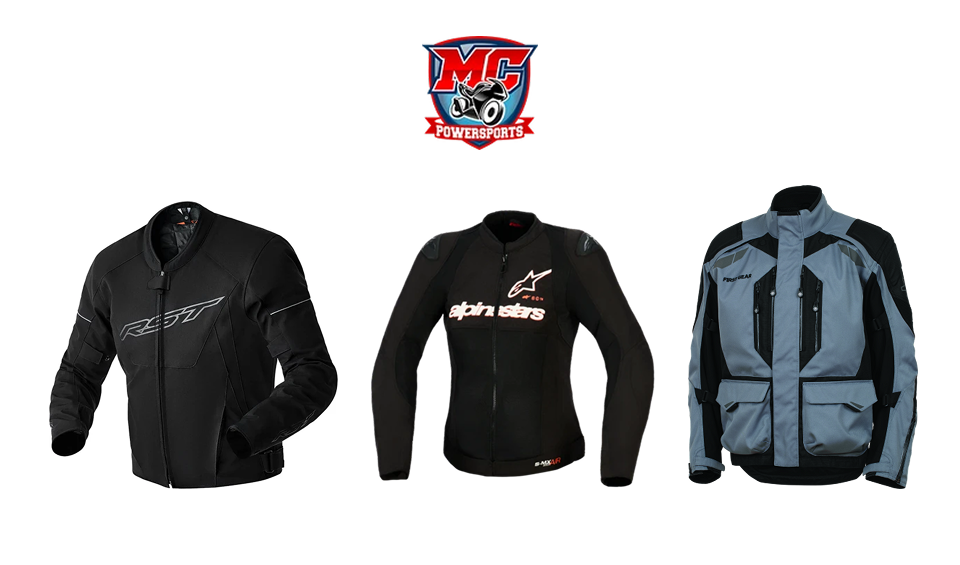
Choosing Between Brand Size Charts and True Body Measurements
Sizing differs significantly from one brand to another. Indeed, a medium on one label can fit like a small, and a large on another. Using body measurements instead of relying solely on shirt size avoids most common sizing errors.
Why Body Measurements Beat Shirt Sizes
- Brands use different block patterns and cuts
- European and Asian sizing often runs smaller
- Racing cuts fit tighter than touring styles
- Reviews often note true-to-size or size-up advice
You can take the guesswork out of your purchase. This is what leads to most returns and exchanges: checking a brand’s specific size chart against your measurements.
Final Thoughts
It takes more strategy than picking one off the rack to choose the right motorcycle jacket, but it does make a difference on every ride. A well-fitting motorcycle jacket should not attract attention. You'll stay focused on the track instead of adjusting your sleeves or armor.
At MC Powersports, we will help riders measure correctly, compare sizes across brands, and choose a jacket that fits properly on day one.
Shop now and find a jacket that fits as well as it protects.
Frequently Asked Questions
Should a motorcycle jacket fit tightly or loosely?
A motorcycle jacket should fit snugly but allow the wearer to move. You should have enough space for a base layer underneath, but not so much extra fabric that it flies around and folds up while riding.
What should I do if I'm in between sizes for jackets?
Reducing a size can create a tight, armour-aligned fit. But if you plan to layer up in cold weather, the best option may be to size up slightly.
Is it possible to alter a jacket with a poor fit?
Usually, you can make minor adjustments to the sleeve length or take the waist in. But it is much harder to change the placement of the armor and the shoulder fit. So it is worth getting these right when you buy.