
Understanding the Key Components Inside a Modern Motorcycle Helmet
A helmet’s exterior appears the same in all types, such as a curved outer shell, a visor, and a strap. However, under that shell are components, each playing its key role immediately when a rider faces a mishap on the road.
Most riders purchase a helmet based only on the price tag, looks, or brand name. They hardly stop to ask what is really protecting their skull. This gap in understanding matters since not all helmets on the shelf are built to perform the same way. The difference narrows down to what’s really hidden under the paint.
A clear idea of the different parts of a motorcycle helmet can help riders choose the perfect fit, comfort level, and safety features. It will allow them to make smart buying decisions instead of making any assumptions at checkout.
What Should a Rider Expect From a Helmet?
Before we discuss each part of a motorcycle helmet separately, let’s dive into what it’s actually supposed to deliver. A good helmet works like a small safety system that keeps a rider’s head intact if any mishap happens while riding on the road.
Here’s a closer look at what a helmet should actually deliver:
- A secure and steady fit that aligns with highway speed
- Impact absorption that meets certified standards
- Clear, distortion-free vision across all conditions
- Airflow that prevents overheating or fogging
- A strap that remains fastened across all situations
All these main features highlight the importance of making the right motorcycle riding gear choice. A helmet never works alone. It’s just a single piece of a complete ride setup.
The Core Components of a Modern Motorcycle Helmet
Certified helmets today are built from the top five main parts. Each has a specific role to play in terms of protection. Let’s break down what each does.
Here’s a quick breakdown:
| Helmet Component | Primary Role |
|---|---|
| Outer Shell | Spreads and deflects impact force |
| EPS Liner | Absorbs shock energy on impact |
| Comfort Liner | Manages fit, sweat, and pressure |
| Visor | Provides clear vision and eye protection |
| Retention System | Keeps the helmet secured in a crash |
The Outer Shell
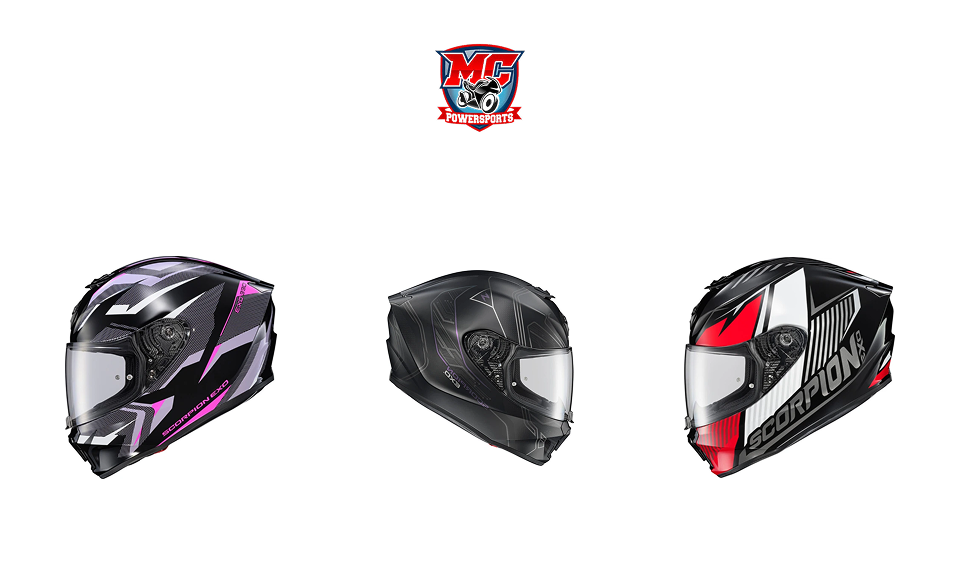
A helmet’s shell is the hard outer layer that a rider sees and touches. It distributes the force of an impact over a larger area, reducing pressure on any single spot.
Shell materials include:
- Polycarbonate for cost-effective builds
- Fiberglass composite for mid-range strength
- Carbon fiber for lighter weight
- Multi-composite blends in premium helmets
Rider Tip: A lighter shell does not make a helmet weaker. Since there are different types of motorcycle helmets available, composite blends can be similar to heavier shells, easing neck strain on extended rides.
The EPS Liner
Right under the shell is a dense foam layer, or EPS foam, that does the real work of protection. They crush in a controlled way and soaks up energy before the impact reaches the skull.
This layer includes:
- Stronger foam to protect from high-speed impacts
- Soft layers for smaller daily knocks on the road
- Varied thickness spread throughout the helmet
- Meant only for a one-time use
Quick Insight: This foam is meant for single-use. So, a clear insight about when to upgrade a helmet narrows down to this key detail. Any real impact means the liner has already worked even if the shell appears fine.
The Comfort Liner
The liner is the part that touches the skin. It’s a padding foam that determines how the helmet will feel when riding for extended hours.
Comfort liner features:
- Ideal sweat- or moisture-wicking feature for extended rides
- Designed with removable pads for ease of washing
- Cheek pads in varied thickness
- Pressure relief especially around the temples
Gear Note: The padding starts to shrink over time. So, choosing a helmet for touring riders will start feeling the pad compress as the same pressure applies in a single spot during these extended trips.
The Visor
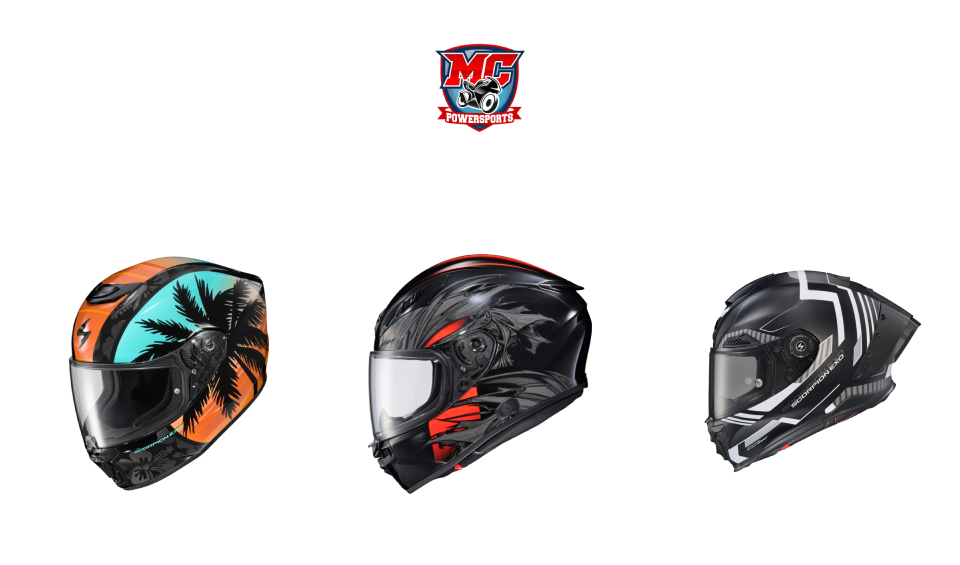
The visor protects the eyes from wind, bugs, debris, and glare. Across modern helmet designs, it helps to keep vision sharp and steady across varied speeds.
A good shield offers:
- Clear, distortion-free vision for safer rides
- Scratch-resistant coating to keep the visor durable
- Pinlock insert or anti-fog lining to prevent fogging
- Quick-swap to change the visor tools-free
Good to Know: A typical problem with a visor is fogging. So, an anti-fog insert can resolve it more reliably than cracking the shield.
The Retention System
None of the other parts matter if a helmet shifts or becomes loose during a crash. A retention system can keep it locked in place in situations where crashes happen.
This system covers:
- D-ring or quick-release buckles
- A snug, two-finger strap fit
- Reinforced stitching at stress points
- A chin cup that resists slipping
Pro Tip: D-ring closures are the most secure option. Yet the quick-release buckle may offer better convenience.
What Should Riders Check Before Buying a Helmet?
A clear idea of what’s actually inside a helmet can only help if it can shape what a rider checks before investing in one.
| Factors | What it Confirms |
|---|---|
| Certification | Confirm DOT, ECE, or Snell approval inside the shell |
| Fit test | Check for movement when shaking your head |
| Weight balance | Should not feel front- or back-heavy |
| Noise level | Excess wind noise signals a poor shell seal |
| Manufacture date | Older foam degrades even unused |
A smart run-through of this checklist can turn every guess into a decision that a rider can depend on on the highway.
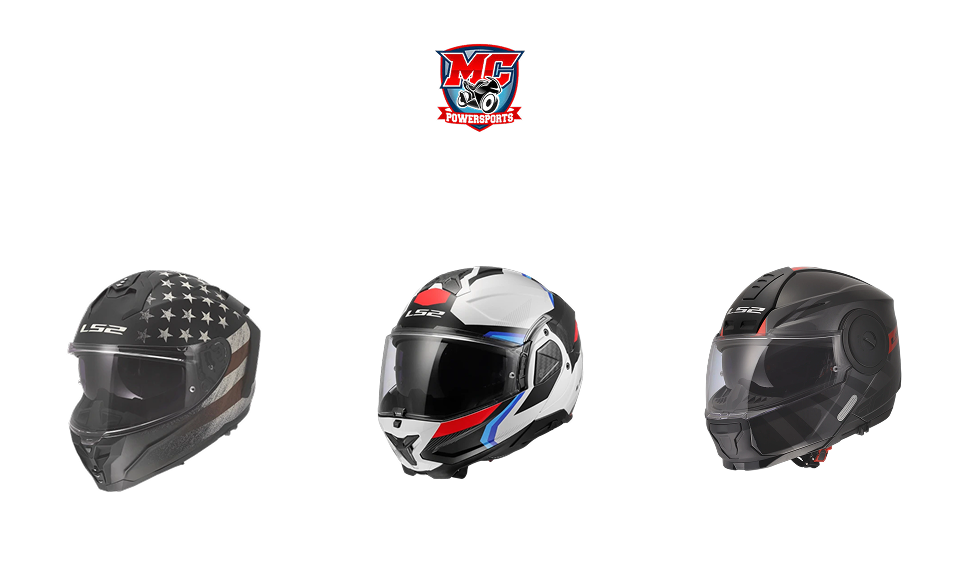
Ready to Ride Smarter?
The construction of the motorcycle helmet decides the level of protection it can provide in case of an accident. Riders deserve gear that has been specified with exactly that in mind. All riders have similar goals nonetheless. A helmet that fits correctly will perform even in rough, life-threatening conditions and does not give up.
At MC Powersports, every helmet is selected for real-world protection, certified, and a fit that stays put mile after mile, not just a pretty shell. Shop now and gear up with a helmet built to protect every mile.
Frequently Asked Questions
Can I wear a bicycle helmet while riding a motorcycle?
Bicycle helmets are not designed for impacts at motorcycle speeds and thus do not meet DOT or ECE standards.
How do I make sure my helmet size is wrong?
A helmet that moves from side to side, pushes down painfully on the forehead, or leaves marks is a warning sign.
Is a higher-priced helmet safer?
Not every time. Certification matters more than price because comfort and materials reflect price.