Why Regular Gear Inspections Should Be Part of Every Rider's Routine
For the love of riding, every rider knows the pre-ride routine. They check the tire pressure, chain, oil level, and lights. These become second nature after a while. A habit that’s built from wanting to trust the machine before setting off for a ride. However, one of the most overlooked inspected elements is the gear, although it plays a huge role in ensuring a rider’s safety on the road.
A jacket, helmet, boots, or gloves might look fine from a distance. However, they begin to lose the protective qualities for which they were initially designed. So, knowing what really matters to regularly check motorcycle riding gear is as important as understanding why the bike itself needs attention. Also, a handy checklist can help turn that knowledge into a steady, consistent habit.
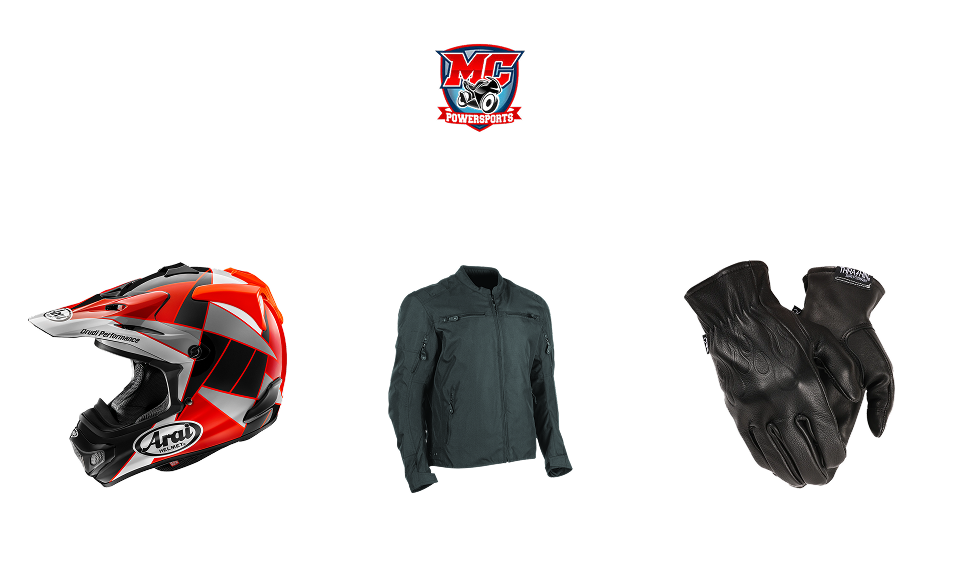
The Hidden Costs of Skipping Gear Inspections
Overlooking regular gear inspection often does not cause an issue right away. The real cost surfaces later, in ways that are difficult to detect until the gear fails to work. Things that seem like a small shortcut in the moment often become a major risk on future rides.
Oftentimes, riders skipping regular inspections encounter numerous challenges:
- Reduced protection as the helmet foam or body armor deteriorates
- Torn seams or weak fabric that doesn’t slide
- Less grip and control from worn gloves or boots
- Higher costs for repairs or replacements when minor issues turn bigger
These issues become visible during the most unpredictable moments. They happen at moments when the gear is supposed to perform. This emphasizes the importance of routine inspection.
Why Regular Gear Inspection Deserves a Permanent Place in Every Rider's Routine
Besides the hidden costs, there are several reasons why this habit is important before every ride.
Confirms a Helmet Still Offers Real Protection
A motorcycle riding helmet may look fine on the outside. However, the interior foam has already begun to break down. The foam helps absorb impact during a fall. So, once it starts to lose its structure, the helmet no longer offers the same level of protection it did earlier.
What a helmet check usually reveals:
- Foam padding that has become soft or lost its shape
- Small cracks in the outer shell that are easy to miss
- A liner that no longer fits snugly
- A worn or loose strap or buckle
Detecting these changes sooner means your helmet can continue doing its job as designed.
Makes Small Wear Easier to Catch Before It Spreads
Riders often go through some motorcycle gear maintenance tips only when the damage is already obvious, such as a broken zipper or a torn seam. A small check at proper intervals can detect these issues while they are still manageable, before they require a complete replacement or repair.
Small signs that are easy to miss:
- Frayed seams around the edges
- A zipper that sticks or doesn't close properly
- A strap that has stretched out
- A scuff that has worn through the outer material
A couple of extra minutes spent on a gear inspection saves a lot of time and money for the future.
Helps Riders Get the Most Out of Their Investment
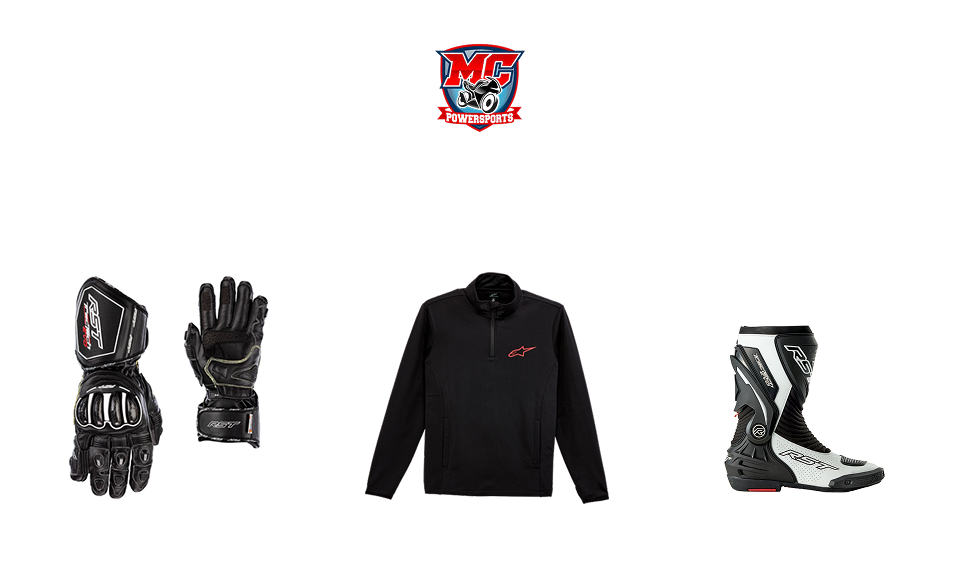
The first decision that any rider makes is to choose quality riding gear. However, keeping that gear in top condition is what really determines how long it will last. Even well-designed jackets and gloves will lose their protective value faster without proper care.
Simple habits that help gear last:
- Letting gear dry completely before storing it
- Keeping helmets and jackets out of direct sunlight
- Cleaning gear with gentle products
- Repairing small damage before it gets worse
Such small habits are extremely effortless. However, they make a huge difference in determining how long the gear lasts.
Adds an Easy Habit to Every Ride
It only takes a couple of minutes to add a gear inspection to your motorcycle pre-ride checklist. However, this means heading out knowing that your gear is ready, rather than just assuming it is. This small habit can make gear care an automatic routine rather than something riders will forget.
What this habit looks like in practice:
- A quick check of your helmet and jacket before every ride
- Checking gloves, boots, and armor every week or so
- Watching for small signs of wear before they get worse
- A simple routine that takes only a few minutes
Once you make this a part of the pre-ride check, it stops feeling overwhelming and starts to make better sense.
Supports Better Decisions About Repair or Replacement
A routine check of riding gear will give a clear idea of how it is holding up, rather than relying solely on guesswork. Things become simplified when one knows when something can be repaired and when it’s the right time for something new.
What to weigh when deciding what to do next:
- Cosmetic damage or damage that affects protection
- Number of seasons or hard impacts the gear has had
- Availability of replacement parts
- Fit and function that still feel reliable
Gaining clear insight into the answer to such queries sooner can help riders replace their gear promptly rather than wait for something that’s already failed.
A Simple Gear Inspection Checklist to Follow
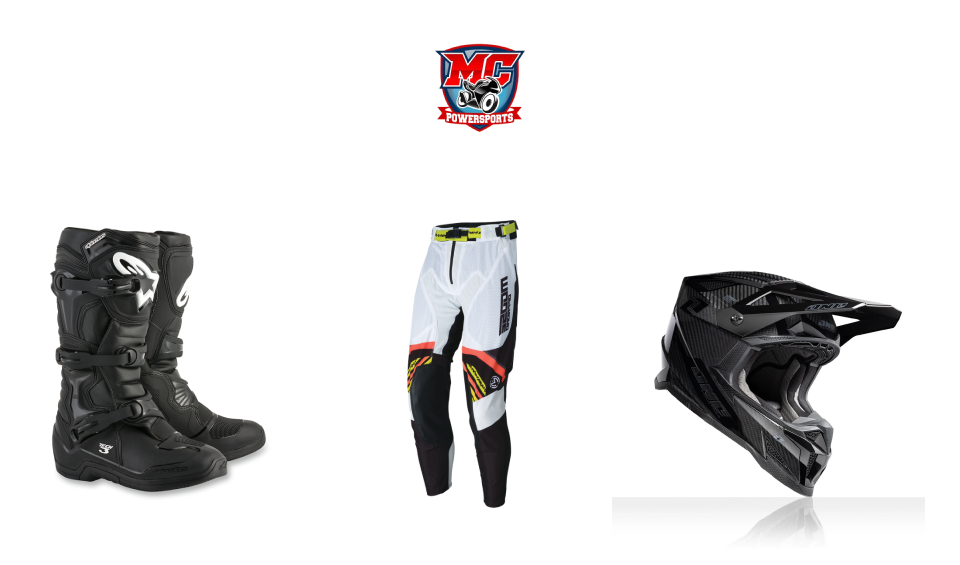
Use this checklist as a quick reference when inspecting each major piece of riding gear.
Helmet
- Check the shell for cracks, dents, or discoloration
- Check padding for flattening or a musty smell
- Confirm the strap and buckle move freely and hold securely
Jacket and Pants
- Check seams and zippers for fraying or loose threads
- Confirm armor pockets still hold padding in place
- Check that coatings haven't worn thin at elbows and knees
Gloves and Boots
- Check gloves for thinning material or torn stitching at the palms
- Check boots for sole wear and loose buckles
- Look for cracks near the ankle area of boots
Body Armor and Padding
- Squeeze inserts gently to check they still have some give
- Confirm armor sits in the correct position
- Check that armor hasn't shifted from washing or wear
Conclusion
Riding brings a level of exposure that few other activities involve, which makes the condition of protective gear something worth taking seriously. A few consistent habits go a long way toward making sure gear performs exactly when it's needed.
When it's time to replace something that's reached the end of its life, MC Powersports carries a wide range of trusted motorcycle safety gear, from helmets and jackets to gloves and boots, so riders can find quality replacements without the guesswork. Gear up with confidence for your next ride. Shop Now at MC Powersports!
Frequently Asked Questions
How Often Does a Helmet Actually Need to Be Replaced?
Most manufacturers recommend replacing a helmet every five to seven years, since materials break down with age even without a visible impact. The manufacture date on the label is usually the most reliable guide to follow.
Can Riders Inspect Their Own Gear, or Should a Professional Do It?
The rider can do most day-to-day checks, since they mainly involve close inspection of the material, stitching, and fit. Professional inspection becomes more useful after a serious crash, when internal damage to a helmet or armor might not be visible from the outside.
Does a Manufacturer's Warranty Cover Normal Wear and Tear?
Warranties typically cover manufacturing defects rather than everyday wear and tear. Gear that degrades from sun exposure, sweat, or repeated use is considered normal wear, which is exactly why routine checks matter more than relying on warranty coverage.