Choosing the Right Motorcycle Tires for Different Riding Conditions
The right motorcycle tire helps you keep control of your bike when braking, taking turns, riding over bumps, and travelling on different road surfaces. Since road surfaces and weather can change, you need a tire that performs well in the conditions you ride in. So what works well on a dry highway might be unsafe on a wet city street or muddy trail.
That’s why motorcycle tires use tread patterns, rubber compounds, and structures that match the ride’s surface and style. The right tire can help your bike stay in control, stop safely and last longer. The wrong choice can damage your tires faster, making your bike harder to handle.
How Terrain and Weather Decide Which Tire Works Best
Road surfaces and weather conditions impact a tire's grip, wear, and how smoothly the bike responds to every turn. A tire that works well on dry pavement often struggles in mud, sand, or rain, affecting both comfort and safety.
Riders will often detect these issues when they select the wrong tire, including:
- Weaker grip on wet roads
- Sliding across loose dirt
- Faster tread wear when riding on pavement
- Lack of proper stability at higher speeds
- Longer stopping distances during rainfall
Each challenge makes riding harder and unsafe. So, choosing the right motorcycle riding gear, including the right tires, can help you maintain control on different road surfaces.
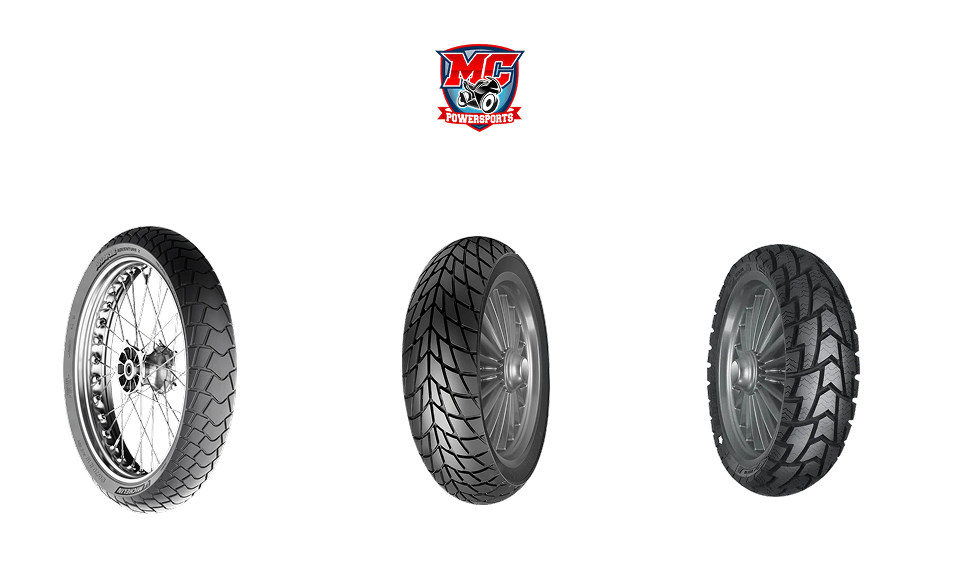
Matching the Right Tire to Every Riding Condition
Start by choosing the right tire type for the terrain. Next, check the specifications to ensure an adequate fit.
ATV and UTV Tires for Rough Terrain
On rough terrain, ATV and UTV tires offer better traction and tougher sidewalls. Deeper lugs bite into mud and loose soil, while thicker rubber resists cuts from rocks and roots.
Here are the features to look for:
- Deeper lugs for enhanced traction
- Tough rock-resistant sidewalls
- Wider footprint for improved stability
- Thick cut-resistant rubber
These tires are designed mainly for utility work and trail riding. This highlights the role of tires in off-road driving, including traction, support, and protection from rocks and debris.
Dual-Sport Tires for Pavement and Dirt
Riders who divide their time between roads and trails will choose dual-sport tires that work on both. A well-balanced tread offers better grip on dirt and gravel while providing stable handling on paved roads.
Here are the features to look for:
- Well-balanced mixed surface tread
- Stable grip across pavement
- Better traction on gravel
- Firm sidewalls for loads
These tires will compromise a bit on grip on both surfaces. They are ideal for adventure riders who seek a set of tires for extended trips.
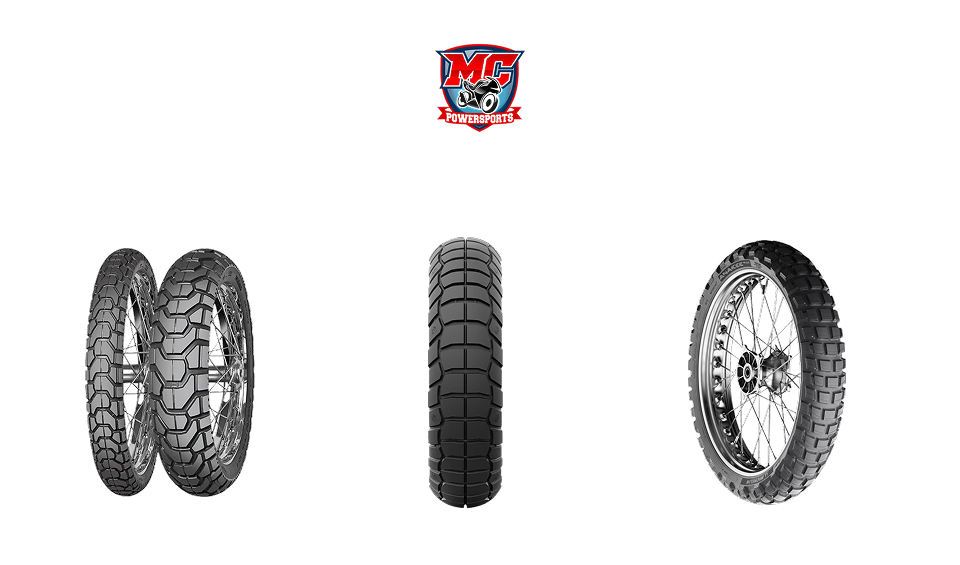
Off-Road Tires for Mud, Sand, and Rocks
On dirt trails, off-road tires use taller knobs and wider gaps to grip soft ground better. Riders should avoid common mistakes when buying off-road tires before choosing a set for loose or rocky surfaces.
Here are the features to look for:
- Taller knobs for enhanced traction
- Wider gaps to clear mud
- Stronger casing against rocks
- Softer compound for better grip
On pavement, off-road tires wear out faster, so use them only on trails. Also match the tread style to the ground you ride on.
Scooter Tires for City Traffic
City riding means frequent stops, tight turns, and uneven pavement. This is why scooter tires use a smaller diameter and have a rounded profile. This shape keeps steering lighter and provides better grip at low speeds.
Here are the features to look for:
- Rounded shape for every turn
- Tire grooves for channeling rain
- Softer rubber for better grip
- Smaller size for better agility
A good set of tires can make stop-and-go traffic less tiring. Also check tread depth frequently, since city stress can damage the rubber compound.
Street Tires for Commutes and Highways
Regular paved-road riding benefits greatly from street tires that balance grip, comfort, and longer tread life. Shallower grooves shed water in the rain, and a stronger profile keeps the bike stable at highway speeds.
Here are the features to look for:
- Grooves for clearing water
- Longer-wearing tread compounds
- Stability at highway speed
- Smoother rides over bumps
Street tires are ideally suited to how far you would ride every week. Select a compound that offers sufficient wet-weather grip without wearing out too quickly.
Track Tires for Racing and Speed
Riders pushing hard on a circuit need track tires with softer compounds that grip well through faster corners. These tires heat up faster, wear out faster, and aren’t meant for road use.
Here are the features to look for:
- Softer compounds for stronger grip
- Smoother dry track treads
- Stiff casing for corners
- Quick warm-up time
Track tires work well on dry circuits, so check tire pressure before every ride. Also, keep them for track days only, not commuting.
Trailer Tires for Safe Transport
When you haul bikes or powersports vehicles, trailer tires carry the load on the road. Stiff sidewalls resist swaying, keeping your cargo steady over long distances and uneven roads.
Here are the features to look for:
- Stiff sidewalls resist sway
- Load rating fits cargo
- Durable tread for hauls
- Correct size for trailer
Trailer tires age even when you don't use them much. Check pressure before every trip and look for cracks or bulges along the sidewalls.
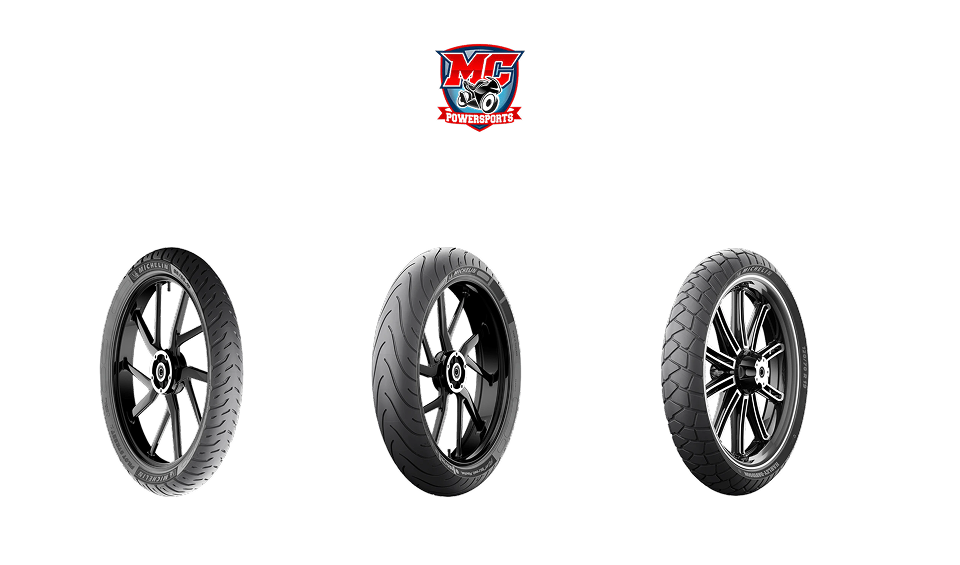
Pick Tires That Fit Your Terrain and Riding Style
The right tire depends on where you ride, how often you ride, and what your motorcycle needs. Matching the right tire type to your terrain improves grip and steadier handling.
MC Powersports offers tires for street, off-road, scooter, track, trailer, and utility use so that you can explore every powersports tire category. Compare size, tread, compound, and ratings before you buy. Shop now at MC Powersports and choose tires that match your riding style.
Frequently Asked Questions
When should I replace my motorcycle tires?
Replace your motorcycle tires when you notice damage, cracks, cuts, or bulges, and when they're old, even if the tread looks fine. The date code on the sidewall shows when the tire was made.
How do I find the right tire pressure for my motorcycle?
Check the owner's manual or the label on the swingarm or frame, because the manufacturer lists the correct pressure for the front and rear tires. Measure pressure when the tires are cold, since riding heats the air and raises the reading.
Can I mix different tire brands on one motorcycle?
When possible, use matching front and rear tires from the same brand and model line, because they are designed to work together. If you must mix them, ask a tire specialist whether the pair is safe for your motorcycle.