
Motorcycle Jacket Options for Every Season and Weather Condition
During a motorcycle ride, weather changes quickly, and your jacket is your first line of defense against rain, heat, cold, and wind. It can also protect you in a fall or mishap. The right jacket type depends on the season, climate, and your riding style. Most riders will buy a jacket that works perfectly in one condition and poorly in others.
A well-designed motorcycle riding jacket uses materials such as leather, textile, mesh, and waterproof fabrics. Today, we’ll explain how each jacket type performs so you can compare them and choose the right one. You'll also understand the features to look for in each type before choosing a jacket for every ride.
Common Problems Riders Face Without a Proper Jacket
Riding without a well-fitted jacket puts you at risk, no matter the season or weather. Sun, wind, rain, or rough roads all disrupt your safety and comfort. At higher speeds, each condition gets worse over time.
A couple of riding challenges without proper protection are:
- Becoming chilled or getting soaked immediately
- Overheating during hot summer rides
- Stronger wind chill when riding across highways
- Insect bites or sunburn on skin
- Extremely low protection level during a sudden fall
Any of these challenges can quickly make your ride unsafe and uncomfortable. So choosing the right motorcycle riding gear, such as a jacket, can keep you protected and comfortable.
Jacket Types That Suit Every Season and Weather Condition
Here are a couple of riding jacket types that align with different riding styles and weather. So, consider where and when you ride when choosing one.
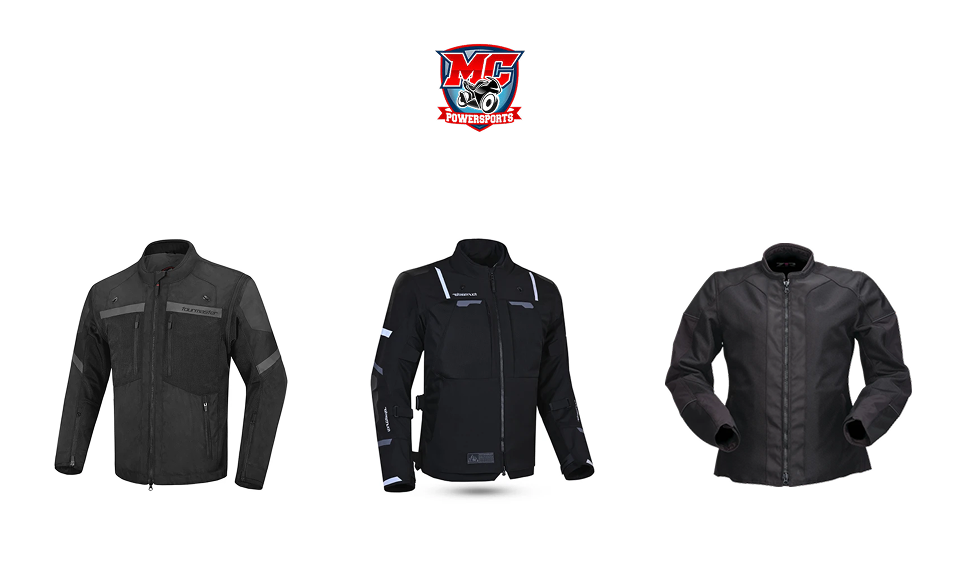
Leather Jackets
Most riders will choose a leather jacket for cooler weather. Leather protects your skin and keeps you covered during a slide. They’re strong, thick, and block the wind. It’s popular with both cruiser and sport riders.
Must-have features include:
- Leather material is thick and strong
- Armor pads in the primary regions of a rider’s body
- Adjustable cuffs and waist
- Zip vents ideal for warmer days
When you first buy a leather jacket, the material may feel stiff. However, after a couple of rides, the material softens and fits your body better, which can help you find the right motorcycle jacket size. A premium-quality jacket also lasts for several years.
Drystar Jackets
Riders will often choose Drystar jackets when riding through rainy areas. These jackets feature a waterproof lining that keeps rain out while letting sweat escape. This helps keep riders dry on long rides through changing seasons and weather.
Must-have features include:
- Liners that are breathable and waterproof
- Sealed seams that prevent leaks
- Removable warmer liner
- Reflective strips during nighttime riding
This jacket type is perfect for riding in the rain. Make sure the cuffs and collar close tightly to keep water out. Check almost every day for signs it's time to replace your motorcycle jacket, such as loose stitching or thin fabric.
Gore-Tex Jackets
Riders facing heavy rain and cold wind often prefer Gore-Tex jackets. The fabric keeps water out while still letting sweat out. This keeps you dry on long rides.
Must-have features include:
- Fully waterproof outer fabric
- Blocks cold wind well
- Lets sweat escape easily
- Sealed seams and zippers
These jackets usually cost a bit more than other types. They are a good choice if you ride in storms or cold weather all year.
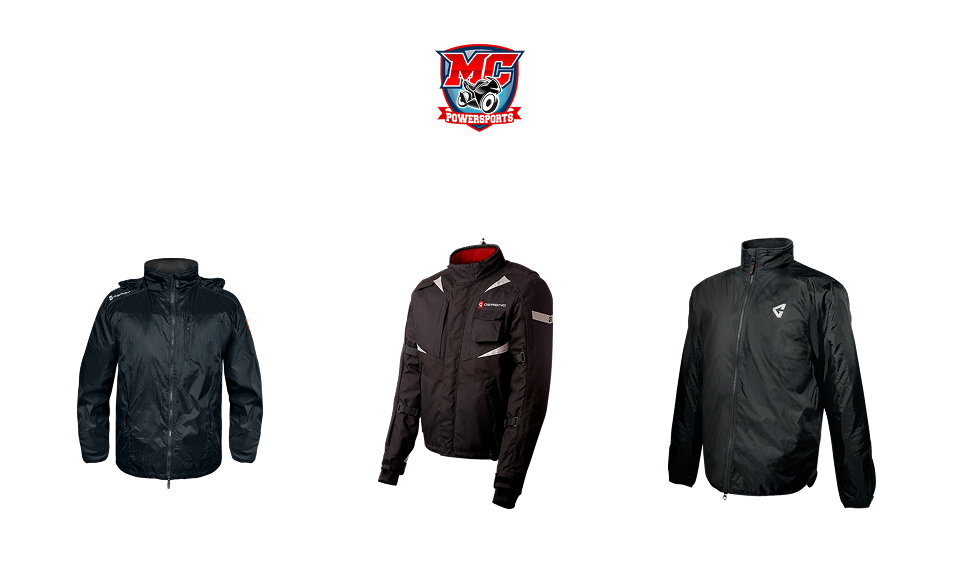
Textile Jackets
Riders looking for affordable options often choose lighter textile jackets for everyday riding. Made from strong synthetic fabric, they handle wind and light rain well. Most also have armor and vents for changing weather.
Must-have features include:
- Strong synthetic outer fabric
- Waterproof liner you can remove
- Vents that open and close
- Pockets for daily items
Textile jackets are easy to wash and dry quickly, saving time. They suit riders who want one jacket for many types of rides.
Mesh Jackets
On hot days, mesh jackets let air flow through the fabric, so heat does not build up. They suit summer commutes and city riding. Most models still include armor for your shoulders, elbows, and back.
Must-have features include:
- Large open mesh panels
- Armor at shoulders and elbows
- Light colors that reflect heat
- Light fabric that packs small
Mesh offers very little rain protection on its own. Keep a waterproof layer in your bag so a sudden summer shower doesn't soak you.
Vests
Many riders wear vests over a shirt or jacket for extra warmth. A vest keeps your core warm and makes you easier to see. You can take it off quickly when it turns warm.
Must-have features include:
- Bright color or reflective strips
- Windproof panel on the chest
- Strong zipper at the front
- Room for layers underneath
A vest does not cover your arms, so use it as an extra layer. It helps you adjust when the temperature rises or falls quickly.
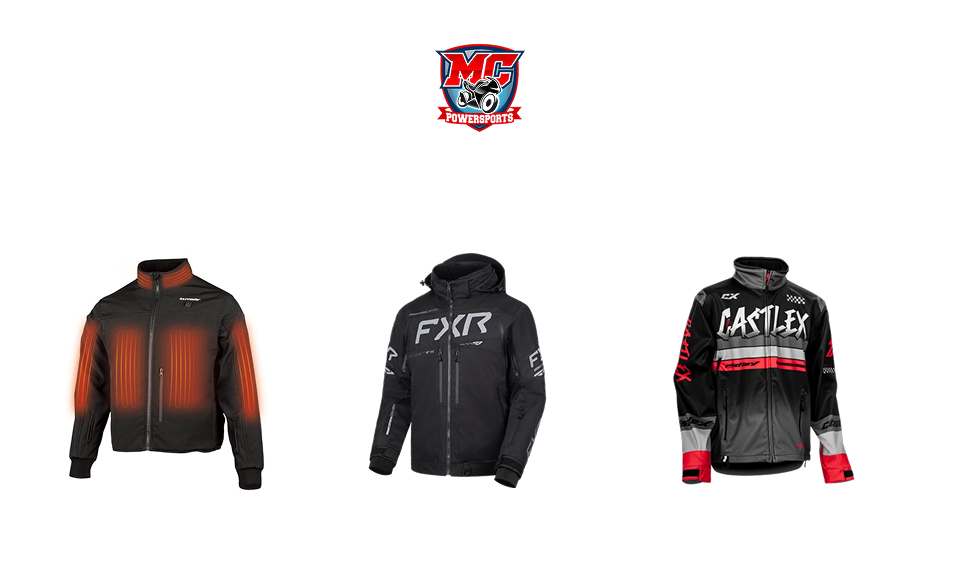
Snowmobile Jackets
Cold and snowy trails call for snowmobile jackets with thick insulation and a waterproof shell. They keep body heat in and snow out. They are also cut loosely so that you can wear warm layers underneath.
Must-have features include:
- Thick insulation across the body
- Waterproof shell that sheds snow
- Snow skirt at the waist
- Tall collar and sealed cuffs
These jackets are made for freezing weather and long stops in the snow. Choose one with enough room to move your arms and shoulders freely.
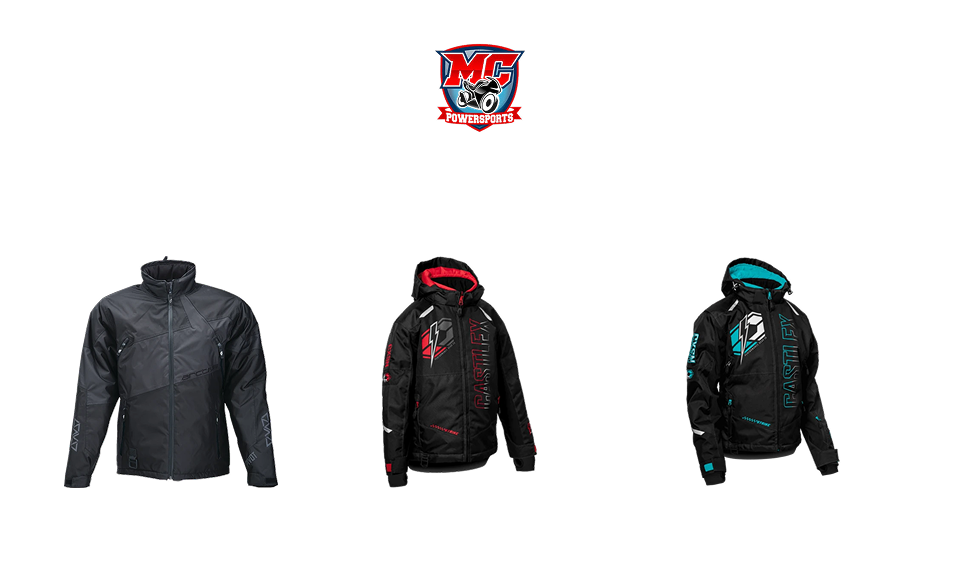
Heated Jackets
On cold rides, heated jackets add extra warmth through internal panels. The panels run on battery or bike power. They keep your chest and back warm when standard insulation isn't enough.
Must-have features include:
- Adjustable heat level settings
- Battery or bike power option
- Heat panels on chest and back
- Windproof outer shell layer
Controlling the heat makes long winter rides more comfortable. Check battery life and how the jacket connects to power.
Conclusion
No single jacket suits every ride. The best choice depends on the weather you face, how far and how fast you ride, and how much protection you want. A jacket that fits your conditions is one you will wear every ride, and that keeps you protected.
MC Powersports carries jackets for every season and weather condition, from light summer styles to heated options for freezing rides. Our team can answer your questions about sizing, materials, and care. Shop now at MC Powersports and choose the right jacket that keeps you protected in every season.
Frequently Asked Questions
How should a motorcycle jacket fit?
A jacket should feel snug but still let you move freely, even with a thin layer underneath. Armor should stay in place over your shoulders and elbows, and sleeves should cover your wrists when you reach for the handlebars.
How do I clean a motorcycle jacket?
First, check the care label, because each material has its own simple cleaning rules. Most textile and mesh jackets can be washed after you remove the armor. But leather needs a damp cloth and leather conditioner because a washing machine can dry it out and cause it to crack.
Does a motorcycle jacket need armor?
Yes, armor adds some real protection to your shoulders, elbows, and back in a fall. Look for CE-rated armor, and make sure it sits firmly in place. Loose armor can shift in a crash and miss the areas that need protection.