
Snow Helmet Features That Matter for Cold Winter Rides
In winter, riding gets challenging, and your helmet plays a huge role in how safe and comfortable you feel. Wet snow, cold wind, and bright winter glare can all impact your ride. So a helmet not built for these conditions often leads to foggy visors, cold cheeks and loud wind noise.
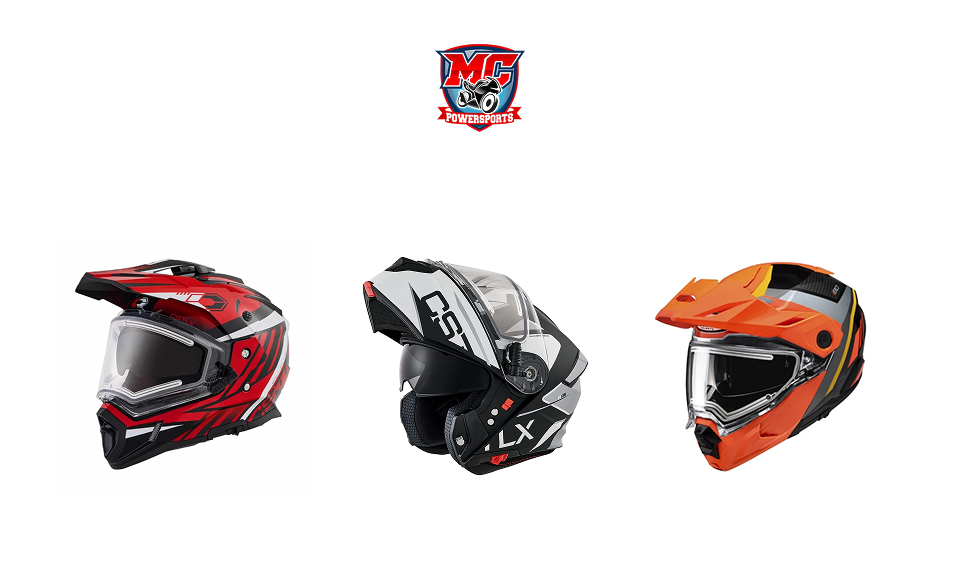
Well designed snow motorcycle helmets are made to handle these issues with features like a protected visor, adjustable vents, and a warm lining. These details can keep your visor clean, your face warm, and your ride steady. In our post today, we’ll explain features that matter the most on cold winter rides. This will help you compare helmet types and know what to look for before you buy.
Common Challenges Riders Face in Freezing Conditions
Winter rides can cause more wear and tear on a helmet than summer riding. Wet snow, cold air, and warm breath all gather around your face, and trouble starts immediately on icy, snowy roads.
A couple of challenges that surface frequently on cold rides are:
- Ears and head losing warmth fast
- Visors start to fog from warm breath
- Cold air reaches a rider’s neck and face
- Snow and slush that block clear vision
- Glare from brighter snow-covered ground
All these issues make it harder for a rider to stay comfortable throughout the ride. So, choose the right motorcycle riding gear, starting with a strong helmet to keep these minor issues from becoming safety risks.
What Makes a Helmet Ready for Freezing Temperatures
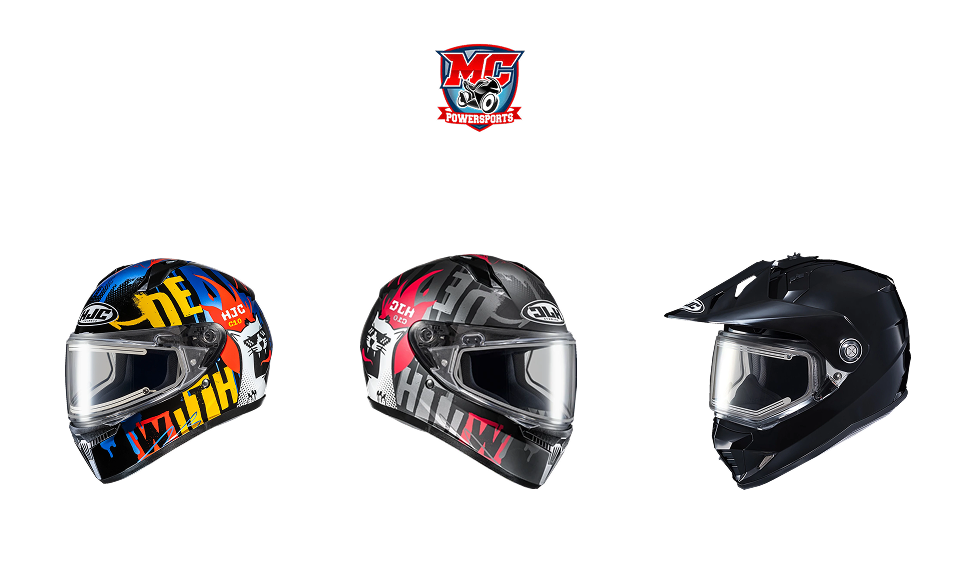
Here are a few features that make a significant difference during cold weather. So it’s important to check each one closely before you buy.
Double-Lens Visors and Anti-Fog Protection
Clear vision is important for riders. A double-lens visor can retain a thin layer of air between two panes. This keeps the interior surface warm, preventing your breath from clouding your view.
Features to check in a visor when comparing helmets:
- Two layers of sealed lens
- Anti-fog coating in the interiors
- Pinlock-ready visor insert option
- Tighter seal around every edge
A fog-free visor helps you see the road clearly, spot ice patches and react immediately. It is an important aspect to check on any snow helmet.
Snug Fit with Room for Cold-Weather Layers
A well-fitting helmet keeps wind out and stays steady on your head. Layers, including heated balaclavas and thin caps, add bulk. So the helmet should fit securely without causing sore spots on long rides.
Features to check are:
- Even distribution of pressure around the head
- Space for thin balaclavas
- Secure chin strap closure
- No gaps near cheeks
Since dry skin stays warmer than damp skin, a warmer lining complements other winter-ride essentials like gloves and base layers.
Insulated and Moisture-Wicking Liners
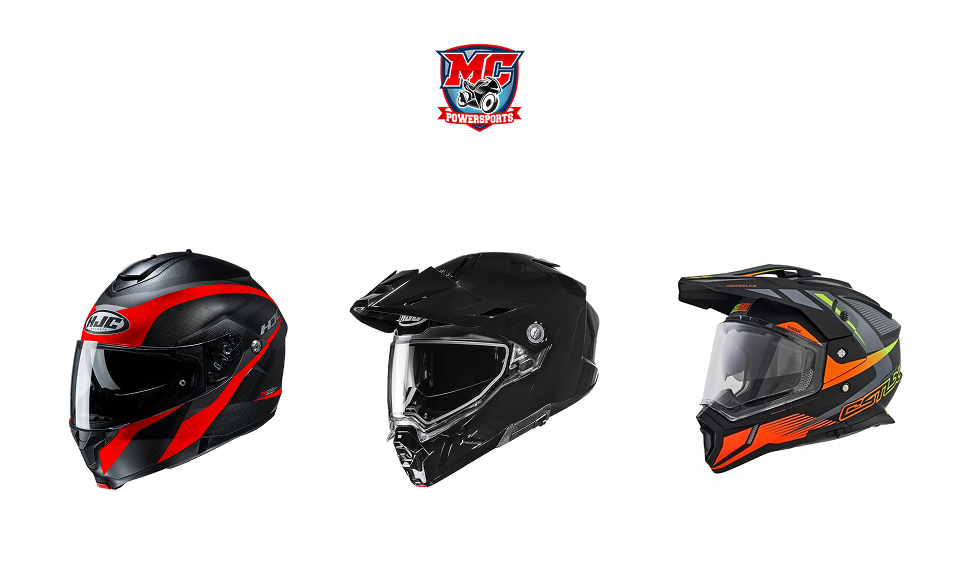
The helmet's inner padding sits against your head throughout the ride, which affects how comfortable and warm you feel. Features include soft insulation that traps heat and wicking fabric pulling sweat away before it chills your face.
This is what a good winter liner should feature:
- Thick padding in cheek sections
- Moisture-wicking fabric lining layer
- Washable and removable comfort pads
- Warm coverage over ears
A removable liner is also easier to wash, which helps after extended rides in wet or snowy weather.
Breath Boxes and Chin Curtains
Cold air enters right under the chin and around your nose. A breath box and chin curtain can block that draft and keep warm breath from reaching the helmet’s visor. This helps keep a rider’s face warm and get a clear view.
Such minor additions are worth checking for:
- Removable breath box comes included
- Snug, soft chin curtain
- Nose deflector for better airflow
- Ease of snap-in installation process
Since both parts are small, they change how a helmet feels. These features work with the key components inside a modern helmet that block wind.
Adjustable Ventilation Control
When you ride in winter, you still need enough airflow. Inadequate ventilation lets moisture and heat build up inside the helmet shell and fog the visor. Easily opened and closed vents circulate fresh air and keep you warm when you need it.
The following features are essential to good ventilation:
- Vents that can close completely
- Vent sliders for easy control on the ride with a glove-friendly design
- There are multiple vents in the top & bottom of the chin
You can adjust the vents during rides, even when wearing thick gloves. This will stop your hands from sliding off the handlebar on a cold, windy ride.
Conclusion
A winter helmet keeps your view clear, your face protected, and your mind on the road. Comparing visor design, liner quality, airflow control, and fit makes it easier to choose with confidence.
At MC Powersports, you will find motorcycle helmets, gloves, apparel, and parts & accessories picked for riders who keep going when the weather turns. Our team can help you narrow down options based on where, and how often you ride in the cold.
Shop now at MC Powersports and find a snow helmet that keeps you warm, focused, and ready for every cold-weather ride.
Frequently Asked Questions
Can I wear glasses with a snow helmet?
Yes, most riders can. Choose a helmet with enough room around the temples and glasses with slim arms. Try them together first, since a tight fit can cause pressure and extra fogging. Some helmets also have padding channels made for glasses.
How often should I replace a cold-weather helmet?
Many manufacturers suggest replacing a helmet about every five years, or right after a hard impact. Cold, sweat, and regular use slowly wear down the padding and inner materials. Replace it sooner if the shell cracks or the liner feels loose.
Is a heavier helmet always warmer?
Not always. Weight comes from the shell and its construction, while warmth depends on liner thickness, sealing, and ventilation. A lighter helmet with a good seal can feel warmer than a heavy one that leaks air.